
How to Choose Fresh Cauliflower at the Store
Check the head, leaves and cut stem before buying cauliflower. Compare whole heads with packaged florets for roasting, soup and smaller meals.

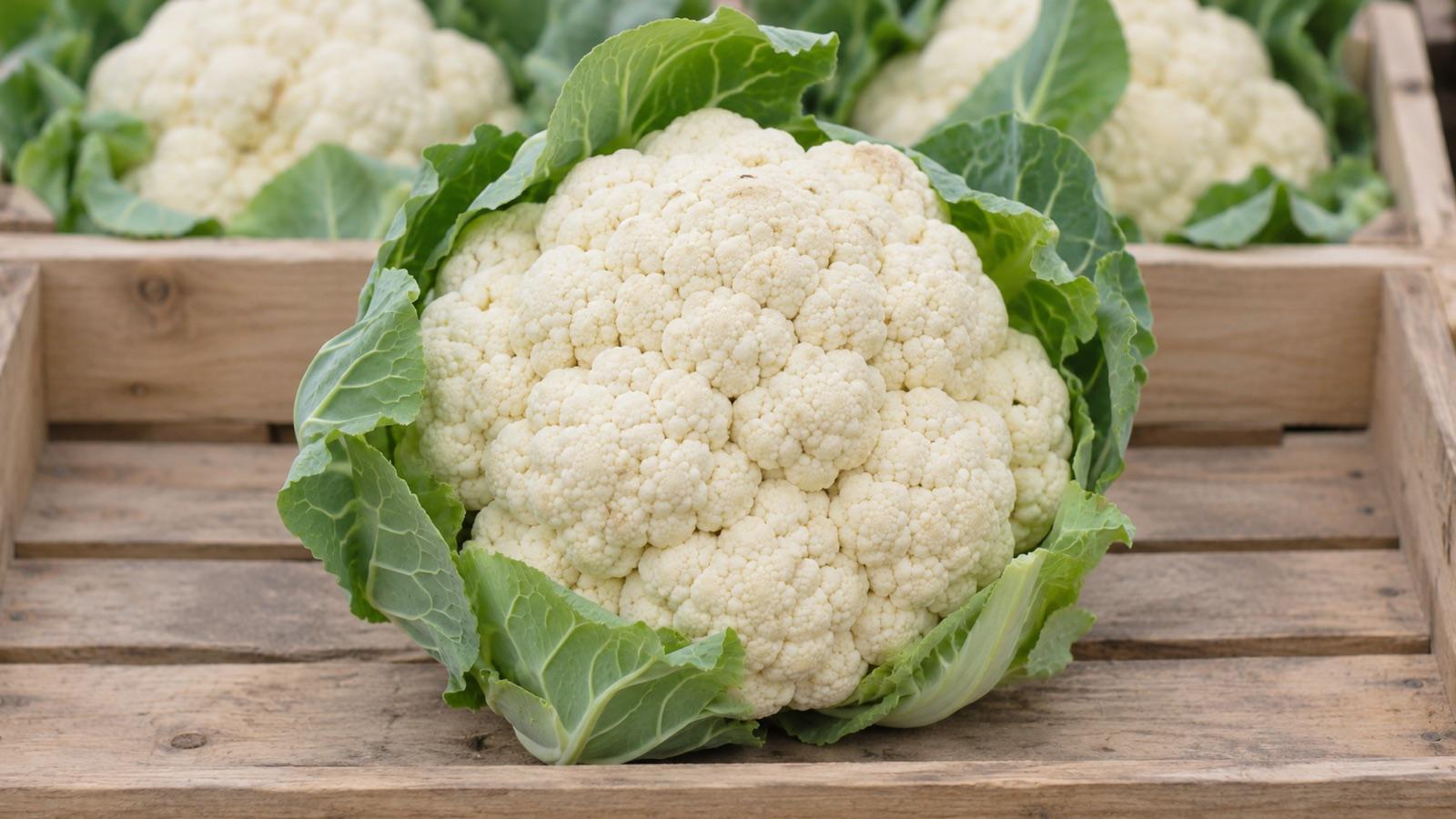
Choose cauliflower with a firm, tightly packed head. If the leaves are still attached, look for crisp ones, then check that the cut stem is firm. Cream is normal for a white variety. Pick another head if you see extensive bruising, wet soft areas or visible decay. When two heads look good, choose based on the dish you plan to make and how much of the head you will use.
Check the shape and firmness of the head
The edible head is made up of many small flower clusters. Look across the top and down both sides. Shallow dips are normal. If the clusters have separated widely or tiny tips stick up like grains of rice, the cauliflower may be overmature. The USDA includes this appearance among its quality indicators. A compact head makes it easier to cut even florets that hold together when moved from board to pan.
Lift the cauliflower by the stem end or the leafy base. Compare the weight of heads of similar size in your hand and favor the one that feels solid and full. Handling it by the base also helps prevent bruises to the florets. On a crowded display, turn it just enough to see the lower edge before putting it in your basket.
Read color, leaves and stem together
White varieties range from white to cream, while purple, orange and green varieties have their own colors. Pronounced yellowing in a white variety can indicate lower quality, and sun exposure can also change its color. Look at texture as you compare two heads of the same variety. A sunken, watery or crushed patch is a reason to choose a firmer one. Skip a head that shows visible decay.
If the outer leaves are present, look for green leaves that still stand up. Retailers may trim the leaves before display. In that case examine the remaining leaf bases, the structure of the head and the cut end of the stalk. The stalk should feel firm. If it looks wet and bruised and feels soft, move on. Remember that a big stalk and thick leaves can account for some of the weight of a large head.
Decide between a whole head and cut florets
A whole head gives you a choice of large and small pieces for a tray or several meals. Refrigerated packaged florets can be easier to portion for one dinner in a small household. Compare what you expect to use with what you pay for. Larger stem pieces in a bag can be useful if you plan to cook them in a soup. For example, for one tray for two, buy a small, compact head and cut the florets evenly. A larger head can work if you plan to use the stalk and smaller pieces in soup at the next meal. For a single meal, a small pack may suit you better.
Buy cut florets from a chilled display and check that the packaging is intact and the label legible. Choose a different pack if cut surfaces look broadly wet and soft or the pieces are crushed. Refrigerate pre-cut produce when you get home. The FDA gives separate buying and preparation guidance for produce. Keep your cauliflower apart from raw meat in the shopping bag and avoid stacking heavy groceries on it.
Match the head to the way you will cook it
For Roasted Cauliflower with Capers and Parsley, look for a compact head that will give you similarly sized florets. Split the stem down the middle and cut into the branches from underneath. Cutting at random through the tops tends to make crumbs. Halve large florets lengthwise or put the small ones in a separate part of the tray. Then you can remove the evenly browned pieces together.
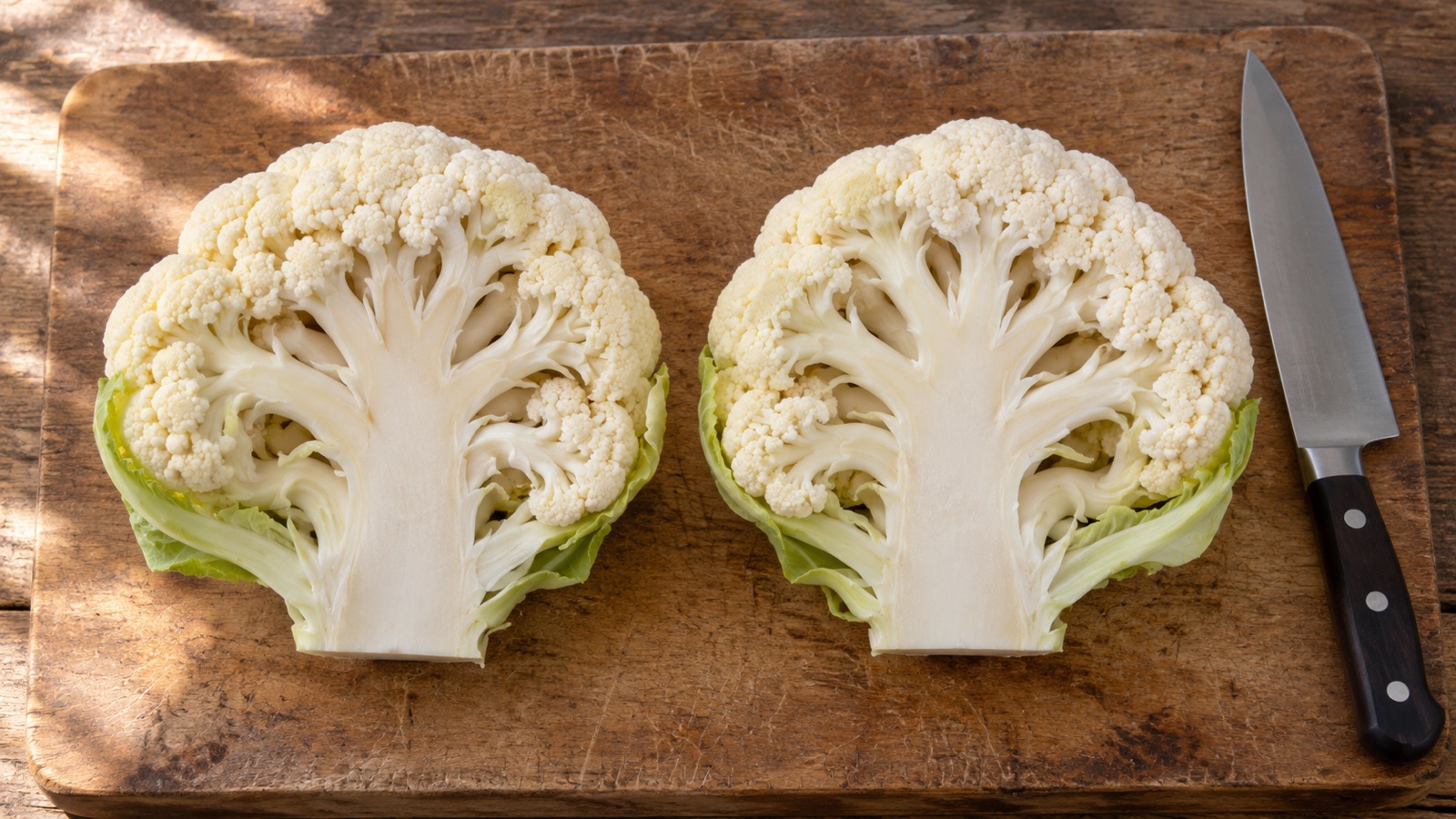
Shape matters less in soup. Sound irregular florets and the inner stalk, with its tough outside pared away, can both go into the pot. Dice the stalk more finely and check that a fork easily pierces both before blending. The cut face of a halved cauliflower makes the boundary between stalk and branches easy to see.
Sort and rinse it at home
Start with clean hands, board and knife. Rinse the cauliflower under running water before cutting and let it drain. Use plain water. Check for soil caught between the outer leaves. For roasting, blot washed florets with a clean cloth or paper towel so that less surface water goes onto the tray and the pieces brown more readily.
If you find a small bruise at home, trim away the damaged area as the FDA advises. Discard produce that visibly looks rotten. For a quick shopping routine, check firmness first, then the base, then how much you need for the meal. That last step helps you choose a head you can actually use.
Sources · USDA AMS · Cauliflower Inspection Instructions · USDA AMS · Cauliflower Grades and Standards · UC ANR · Cool-season vegetable crops · FDA · Selecting and Serving Produce Safely
İyi Bir Yemek
Food Researcher & Writer
Reader Comments & Contributions
Be the first to share your thoughts on this post