
How to Wash Fruits and Vegetables? A Practical Guide for Each Type
How to wash hard-shelled fruits, delicate berries, leafy vegetables and ready-made packages? Learn the difference between running water, brush, drying and labels.

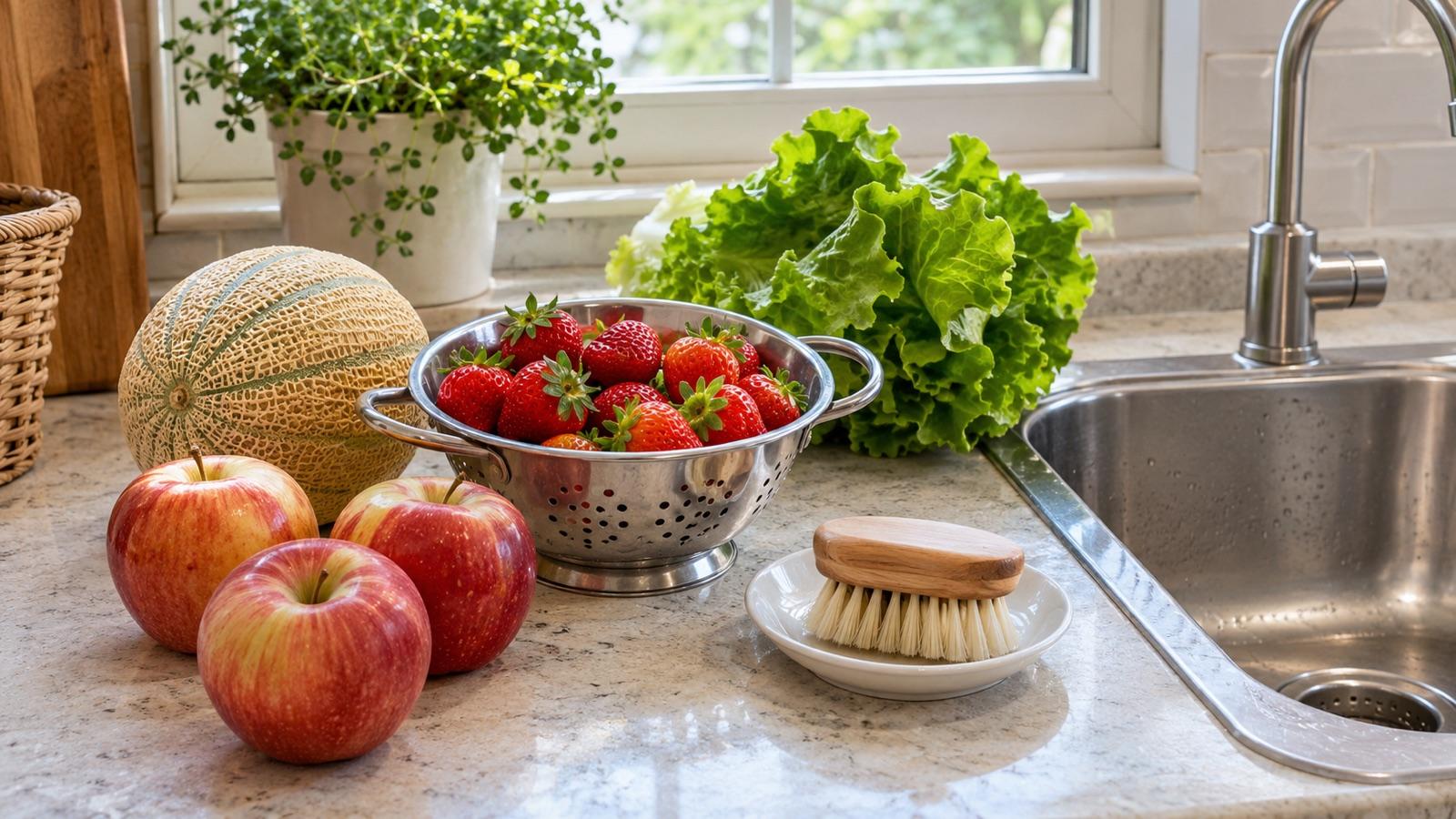
Wash fruits and vegetables under potable running water, usually just before preparation; Use a clean vegetable brush on hard surfaces and gentle movements on delicate items. Packages clearly labeled as washed and ready for consumption do not need to be re-washed. Washing reduces surface dirt and some microorganisms; It does not make the product sterile. It is more useful to choose a method based on the texture of the product, packaging instructions and preparation order, rather than a single soaking mixture.
Prepare the workspace and the order of tasks
Consider washing before the chopping board. Separate the area where you will place the dirty products from the clean tray where you will leave the rinsed products. Wash your hands with soap for at least 20 seconds before and after preparation. Clean the strainer, blade and board; Do not use surfaces that come into contact with raw meat directly to prepare salads. Leaving the product on the dirty sink bottom may contaminate the cleaned surface again. Hold the strainer so that water flows freely; Do not immerse the outlet in dirty water. Do not apply chemicals used to clean the sink to the fruit.
For example, if you are going to prepare apple slices and lettuce, first set out a clean strainer, clean tray and drying material. Then sort and wash the products; Leave the cutting for later. It is necessary to clean the inedible shells before cutting them: the knife passes through the outer surface and reaches the inner part. Separate visible rotten products. Removing a small damaged area on a solid product with a clean knife is not the same decision as using a rotten product. Smell and shiny appearance do not prove that there are no unseen dangers.
Rubbing on hard skin, gentle rinsing on delicate fruit
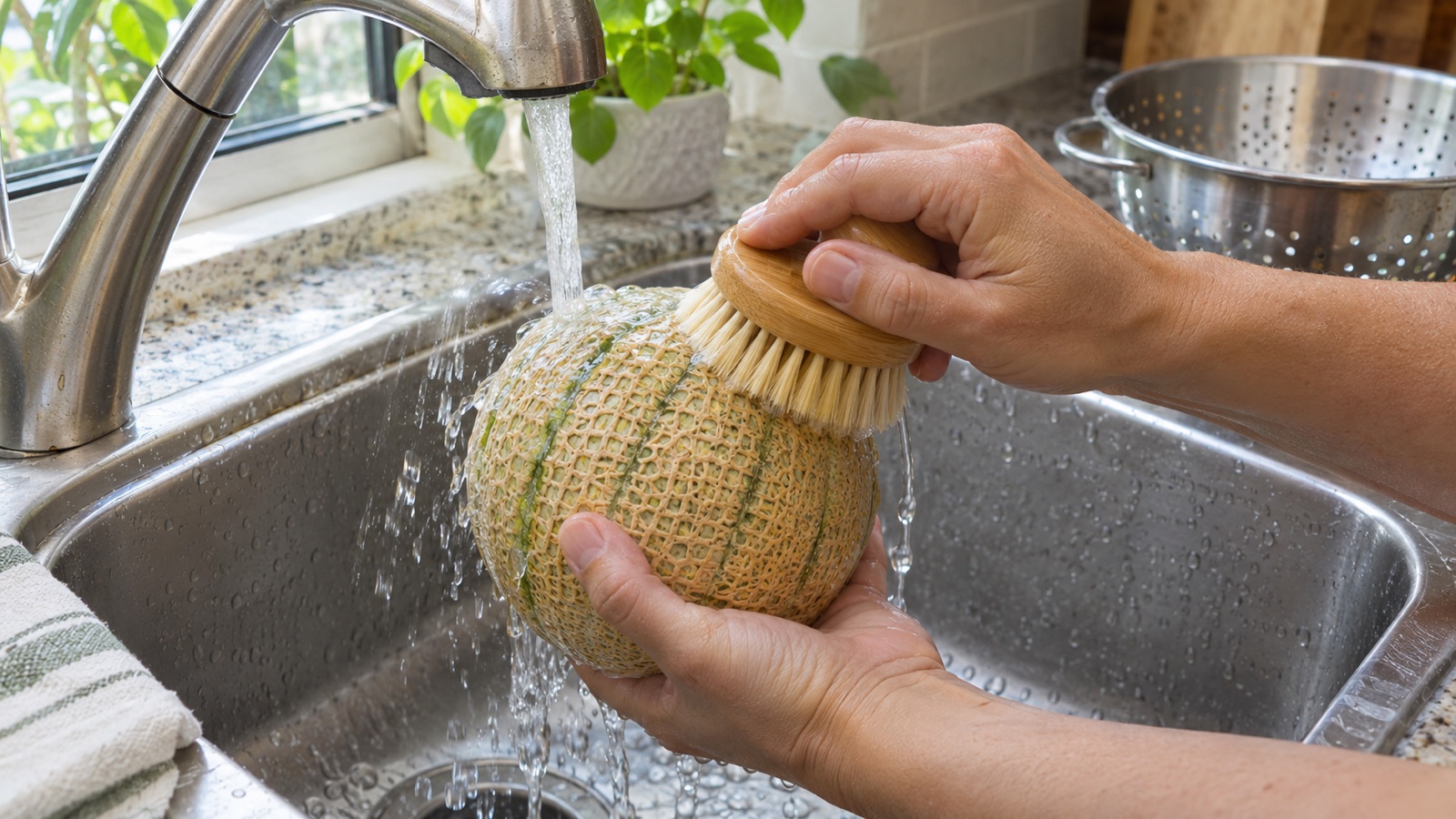
Turn the apple under running water by rubbing it gently with your hand; Check that there is no visible dirt around the stem. Reach the surface with a clean vegetable brush, which is used only for hard peels such as melon. Run the brush all over the fruit and rinse, then dry it with clean towels or paper. Even if the peel will be discarded later, do this step before cutting. Clean the brush itself after use and let it dry; A dishwashing sponge is not equivalent to this task.
Do not use the same brush method for strawberries and raspberries. Place small batches in a clean strainer and swirl gently under gently running water; Do not crush with strong water jet. Spread it in a single layer on clean paper and remove excess water without pressing. Do not consider soaking in water for a long time as a mandatory cleaning step. Instead of filling one large bowl and moving all the fruit around in it, rinsing small batches makes it easier to see the process. Do not put it back into the dirty packaging when moving it to the serving plate; If the same container is to be used, clean it first.
Separate leafy vegetables and read ready-to-eat labels
Remove damaged outer leaves from lettuce; Open the remaining leaves one by one and rinse both sides under running water. Dirt may remain in the folds where the leaves stick together. If there is a lot of visible soil, first remove the coarse soil, then do a final rinse with clean running water. Dry the drained leaves in a clean salad spinner or with a clean towel. The salad spinner does not replace the washing step; It removes only the remaining surface water. This distinction is useful for both cleaning and keeping the sauce on the leaf.
Just because it says cut or packaged on the package does not mean that the product has been washed. If it says washed, triple washed or ready for consumption and has instructions for use, refer to the label; The FDA states that additional washing is not required for these products. If you still choose to rewash, use clean equipment. Don't assume that washing a package that is spoiled, leaking, or subject to a recall has made it safe. Follow storage instructions after opening; Do not apply the same process to all ready-made salads without reading the package.
What don't vinegar, baking soda and detergent change?
The purpose of home washing is to remove surface dirt; It is not correct to say that it destroys every microorganism or every pesticide residue. A University of Minnesota publication explains that homemade produce-washing mixtures have not been shown to have a safety advantage over water. Combining vinegar and baking soda and seeing it foam is not a measurement of the completion of disinfection. Do not promise complete purification by giving a single concentration and soaking time for residues that vary depending on the product. The organic label does not automatically eliminate the need for washing.
Do not apply soap, dishwashing liquid, bleach and surface disinfectant directly to food. The potability of the water in which you rinse the food is more essential than the eye-catching foam. Cleaning hands and equipment with soap and soaping food are different processes. A mixture prepared with questionable water will not solve the problem. Instead of following an internet recipe of unknown origin, follow the food safety authority’s guidance and the product label. If there is a recall, follow the recommended return or disposal route; Washing does not invalidate this warning.
University of Minnesota · Washing produce
Dry the produce and plan preparation around serving
Wash produce shortly before eating or preparing it. Do not soak especially sensitive fruits just for weekly preparation and then seal them back in the package in a damp state. If pre-washing is necessary, ensure appropriate storage conditions for the product and additionally manage any remaining water on the surface. Use clean drying material; A towel that has previously wiped the juice from raw meat is not suitable. Put cut or peeled products in the refrigerator without waiting. A single storage period that can be applied to all products is not given here; Type, cutting and packaging conditions differ.
Use this order: check the label, clean the area, sort the product, wash with running water appropriate to its texture, dry and then chop. Brush firm rinds; gentle rinsing on delicate berries; separate leafy vegetables; Follow the label for prewashed ready-to-eat produce. A common mistake is to run the blade through the dirty rind first and do the washing later. Another mistake is to put the clean product back into the first dirty tray. You can prevent both by separating the dirty and clean phases in the work area from the start.
MedlinePlus · Produce handling
A separate process after washing: a guide to blanching vegetables
İyi Bir Yemek
Food Researcher & Writer
Reader Comments & Contributions
Be the first to share your thoughts on this post