
How to Release Pressure: Natural or Quick Release?
Choose natural or quick pressure release by food and cooker model, with preparation checks, planning tips and safe lid-opening guidance.

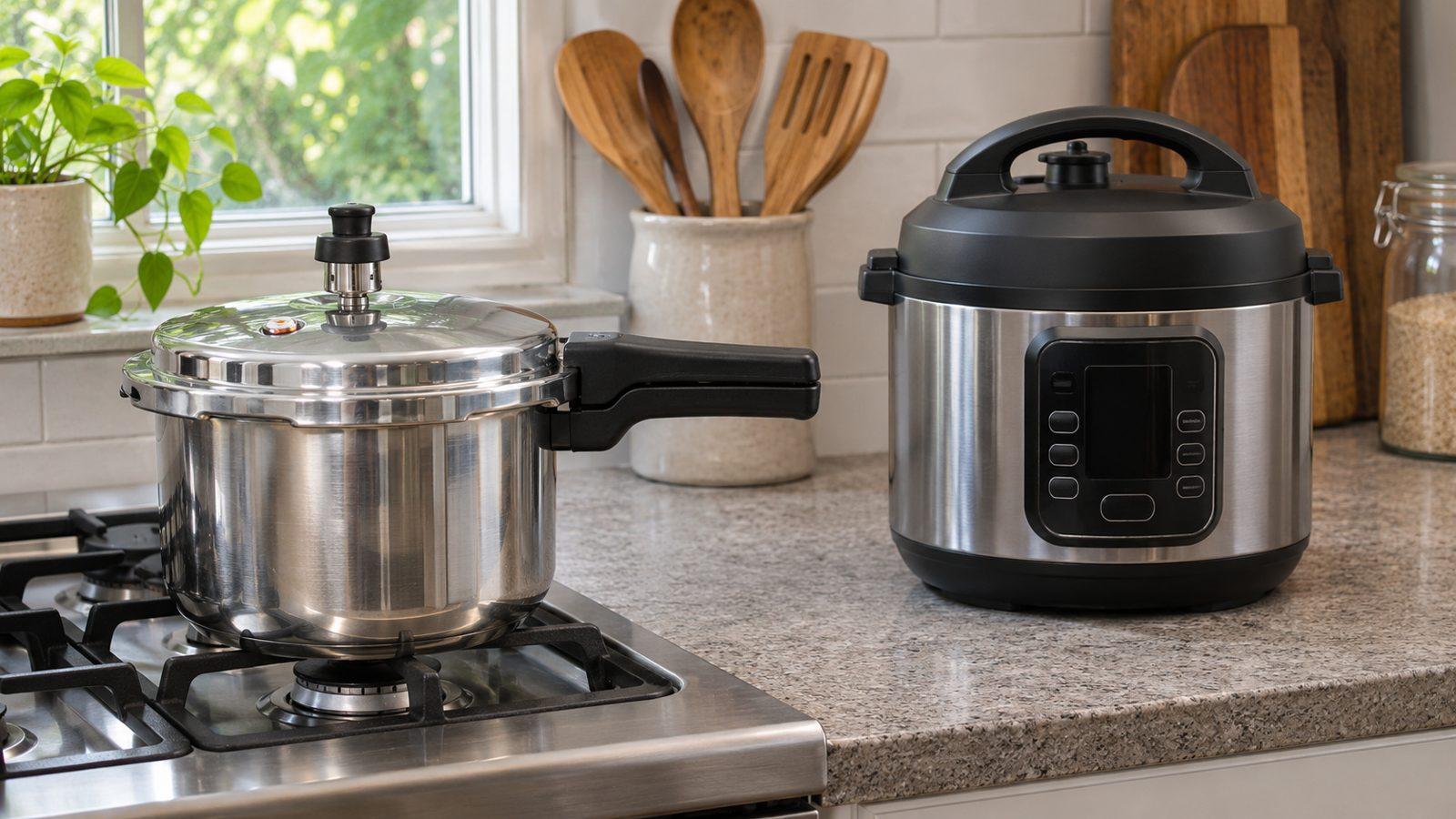
Release pressure by allowing the cooker to cool after heating stops, or by using the release control permitted for your model. Choose according to the food and its manual. Quick valve release may be unsuitable for beans and foamy starchy mixtures. A finished program does not mean the lid can be opened immediately: check the pressure indicator and lock separately.
Check the model and filling limits first
Find the exact model number before cooking. An electric multicooker and a stovetop pressure cooker have different controls and cooling rules. Read the minimum liquid requirement, general maximum fill and lower limit for expanding foods separately. Count food and liquid together when allowing space for beans to expand. Empty space in a photo is not a measuring mark: use your actual bowl and manual. Thick tomato paste or oil is not automatically a suitable cooking liquid.
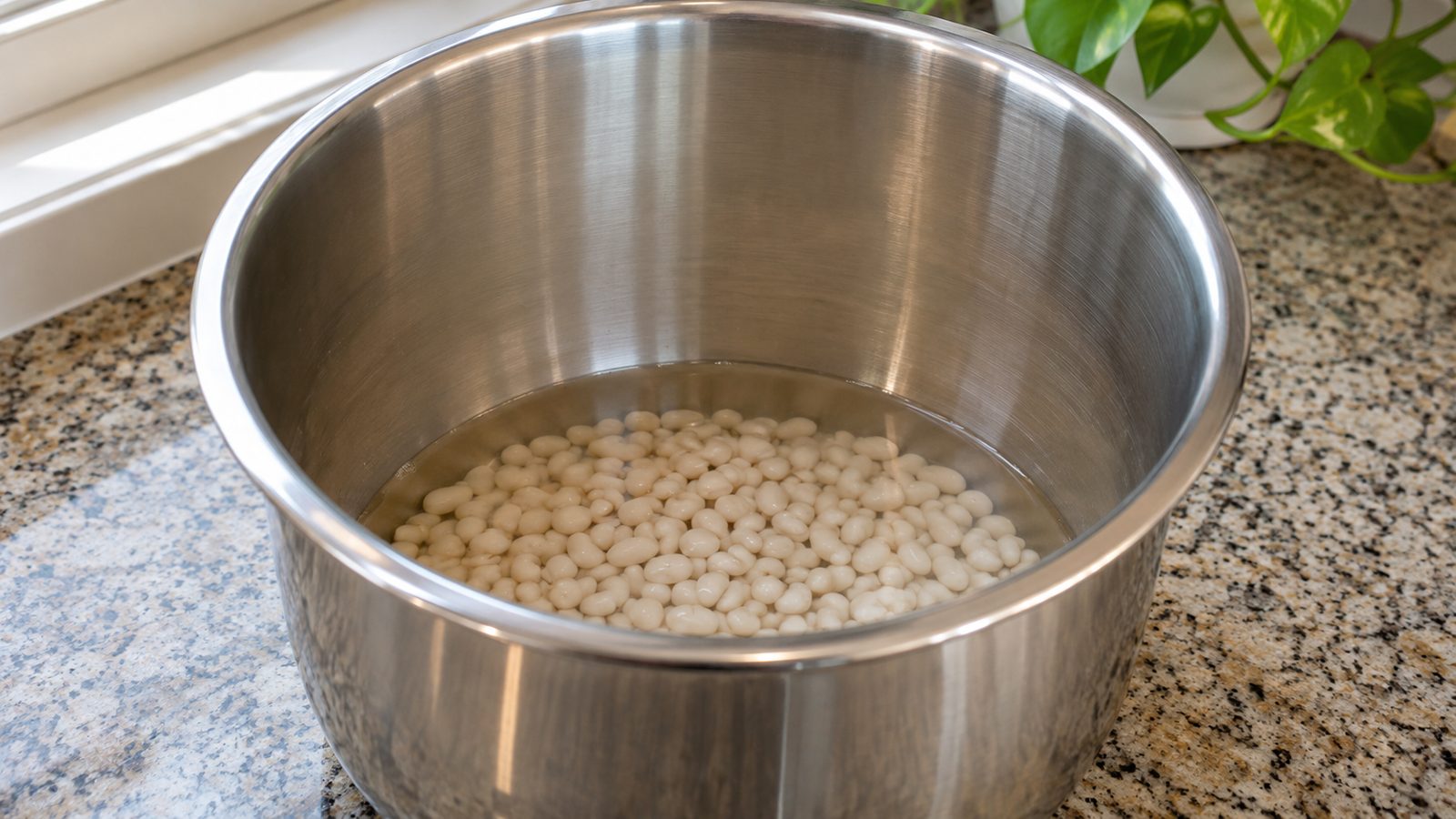
Doubling a lentil soup means checking capacity, not merely doubling ingredients. Separate batches may be more appropriate. Inspect the gasket, valve and steam path only when the cooker is cold and unpressurized, following its instructions. Do not begin with damaged, missing or blocked parts. Choose a dry location with space above the steam outlet, away from people passing by. Keep the electrical housing dry.
Instant Pot · RIO Chef instructions
When natural release helps
When cooking ends, switch off the hob or let the program finish, then leave the cooker in the position specified by its manual. Pressure falls as it cools. There is no fixed waiting time: quantity, temperature and the appliance matter. Check that the indicator has fully dropped and the lock meets all opening conditions, rather than opening by a timer alone. Consult the instructions about turning off Keep Warm on electric models. Food remains hot and continues cooking during this wait.
Beans and thick soups illustrate why release choice must account for foam and liquid carryover. Instant Pot's general guidance recommends natural release for high-liquid or starchy foods; it does not provide one waiting time for every recipe. Do not try to correct undercooking by improvising a different release. Open safely first, assess liquid and texture, then use an appropriate program if further cooking is needed. Forcing the lid or pushing down an indicator is not a solution.
Quick release and differences between models
When permitted, quick release uses the designated control to vent pressurized steam. It can limit continued cooking for some vegetables, but a method suitable for broccoli cannot simply be transferred to foamy bean soup. Decide where to stand with hands and face clear of the steam path. Never cover the valve with a cloth, obstruct the outlet or remove components. Poking a valve with a kitchen tool does not replace its proper control unless the manual specifically instructs it.
Manufacturers also use terms differently. Tefal's Nutricook+ support page describes cooling the metal lid with cold water; this is not a universal instruction. Never put an electric cooker housing under water. Even with a stovetop model, follow a water-cooling method only when its own manual expressly permits it. Do not copy a button position from another model seen online: pressure indicators and opening directions differ too.
Tefal · Nutricook+ instructions
Match the method to dinner and plan the whole time
Compare the real priorities: beans and starchy soups can foam and carry liquid into the release path; delicate vegetables can soften while waiting. In both cases, use the appliance manual and a recipe written for it. Do not transfer a meat-stew release instruction to vegetables. For mixed dishes, adding a delicate ingredient later can give more control, but only after safely depressurizing and opening. These examples explain choices without promising cooking times.
For serving plans, separate coming to pressure, cooking under pressure and releasing pressure. The displayed cooking time is not the total kitchen time. Record model, quantity, piece size, program and release method. Change one variable at a time on a future attempt. Do not try to fix thick soup by manipulating the valve under pressure: adjust consistency after safe opening. A liquid quantity from a source is not automatically valid for a different cooker capacity.
Spluttering, a stuck lid and the final checks
If liquid or foam emerges, keep your face away. Follow the model's safe stopping instructions; if release can be stopped with its control, do so without entering the steam path and wait for pressure to fall naturally. Never press a cloth against the valve, force the indicator down or dismantle a hot lid. Turn off heat for abnormal leaks or activation of a safety system and follow manufacturer guidance; recurring faults need authorized service.
Silence alone does not prove zero pressure. Check the indicator, lock and all manual conditions before opening; never force resistance. Once safe, angle the lid away from your face and watch for residual steam. Clean and inspect valves only after full cooling. This guide concerns pressure cooking, not a validated home-canning process. If you cannot locate the manual, ask the manufacturer using the model number rather than guessing how to release pressure.
Instant Pot · RIO Chef instructions · Tefal · Nutricook+ instructions
İyi Bir Yemek
Food Researcher & Writer
Reader Comments & Contributions
Be the first to share your thoughts on this post