
Buying Frozen Vegetables: Packaging and the Trip Home
Content, package integrity, clumping, portioning and home delivery control when shopping for frozen vegetables; Guide to reading cooking instructions correctly.

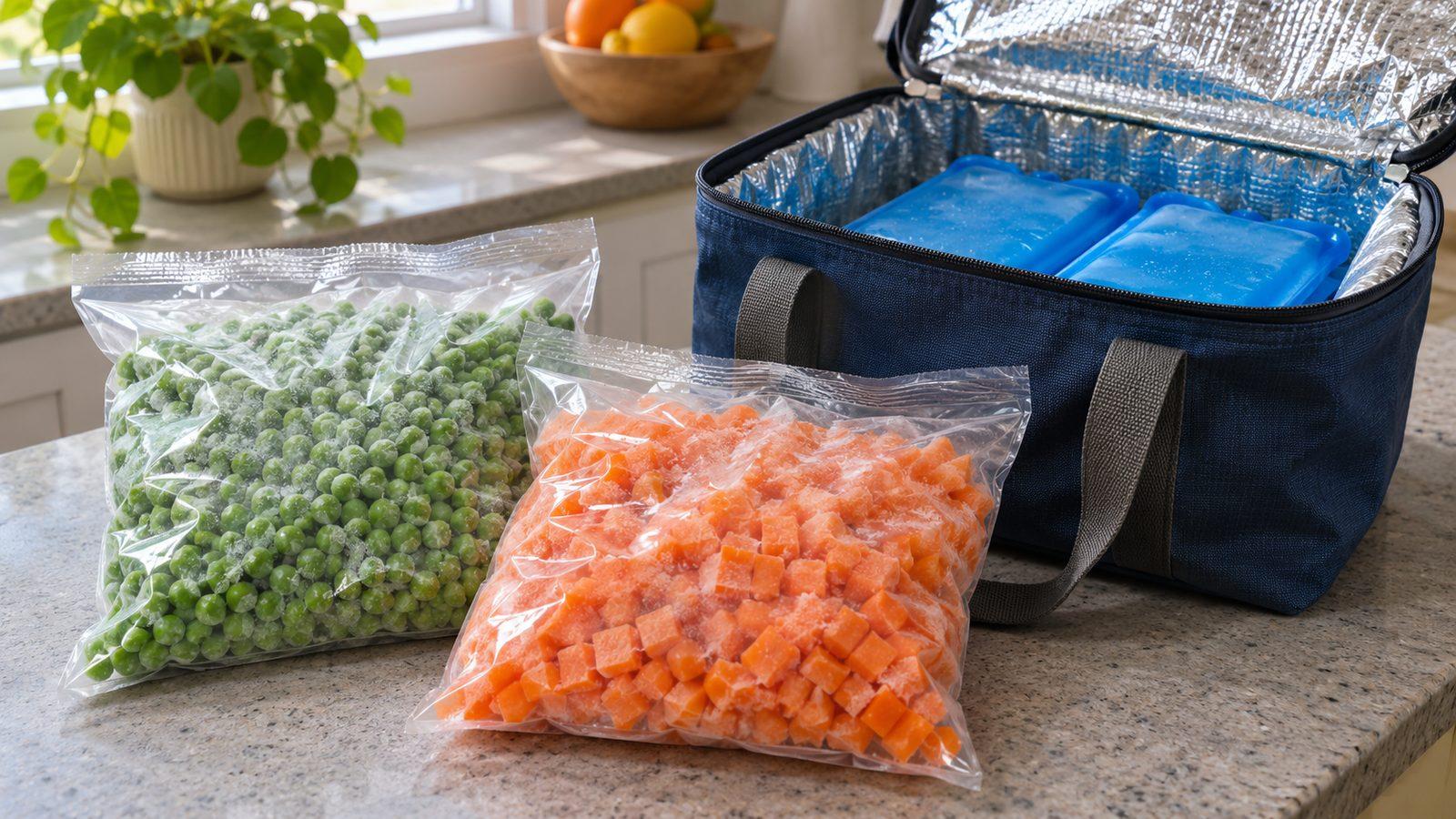
When buying frozen vegetables, first check the intended use and label, then the integrity of the package and the frozen state of the product; Pick it up at the end of shopping and take it home without delay. Ice crystal or clumping alone is not a safety test. Good choice does not end with just buying the colorful looking package: the transport order and cooking instructions also determine the result. This guide offers a decision order that can be applied from the grocery store to the kitchen, with examples of plain peas, diced carrots, and mixed vegetables.
First decide which meal you will buy
Choosing small cubes for soup, close-sized pieces for garnish, and plain packaging for a single-vegetable meal makes preparation easier. For example, using a corn mixture for a dish that requires only peas will cause the need to separate the grains later. Likewise, when looking for broccoli florets, a package with a high stem content may change the portion you expect. Do not use the photo of the package in place of the ingredients list; The product name and ingredients tell more clearly what you are getting.
Consider plain vegetables and mixtures with added oil, sauce or seasoning separately. Sauced items are not automatically a bad choice; However, it may create an unnecessary second layer of flavor in the dish in which you will prepare your own sauce. Read the ingredient and allergen information and compare it with the needs of those in your household. Frozen does not mean that the product is cooked or ready to eat directly. FSA emphasizes that vegetables should be prepared according to package cooking instructions, especially if they are to be used in a cold salad.
Check package integrity and frozen status together
Do not buy packaging that is torn, open, appears to be repaired, or is leaking. The product should be in the freezer cabinet; Let the attendant know instead of choosing the noticeably softened package. If there is a transparent section, check the condition of the vegetables, but do not open the package to see. Don't conclude from the appearance of the single top package that the entire cabinet is safe. Reading the label and ensuring the packaging is closed are separate and complementary checks that can be made while shopping.
Large hard lumps or thick layers of ice require more careful inspection; they are not an accurate measurement of temperature history. USDA's frozen produce guide notes that individual quick-frozen pieces can also stick together. Therefore, it would not be correct to interpret each lump as thawed and refrozen. However, if you see liquid, obvious disintegration or damage in the package, choose another package. Do not try to taste or smell the product and deem it safe.
Compare pack size to your actual usage
A large package is only advantageous if it is compatible with the amount you will use and the space in the freezer. For a household that uses 200 g of peas once a week, a 1 kg package means five uses; This is just a portion calculation, not a storage time recommendation. Check if the package has a reseal feature and what instructions are given once opened. The packaging needs of the mixture you will use all at once and the plain vegetables you will buy little by little may be different.
Convert the price to the same weight: if a 450 g package costs 72 TL, the price per kilogram is 160 TL; If 1 kg package is 145 TL, the price per kilogram is 145 TL. These are calculation examples, not current market prices. When comparing the kilogram prices of sauced and plain products, remember that the contents are not the same. A cheaper larger package won't turn out to be a good purchase if you leave the leftover part open and lose quality. Plan to make room for the package in the freezer before you go home.
Buy cold products last and prepare the carrying bag
Buy dry goods first and frozen vegetables right before you go to the checkout. Preparing the insulated bag and sealed cooling gel batteries in advance is especially useful if the journey is long. Place the packages in the bag without crushing them, close the bag and return home after shopping without having to do any other work. Avoid contact or leakage of raw meat packaging. An insulated bag does not measure the food temperature or prove an uncertain temperature history safe.
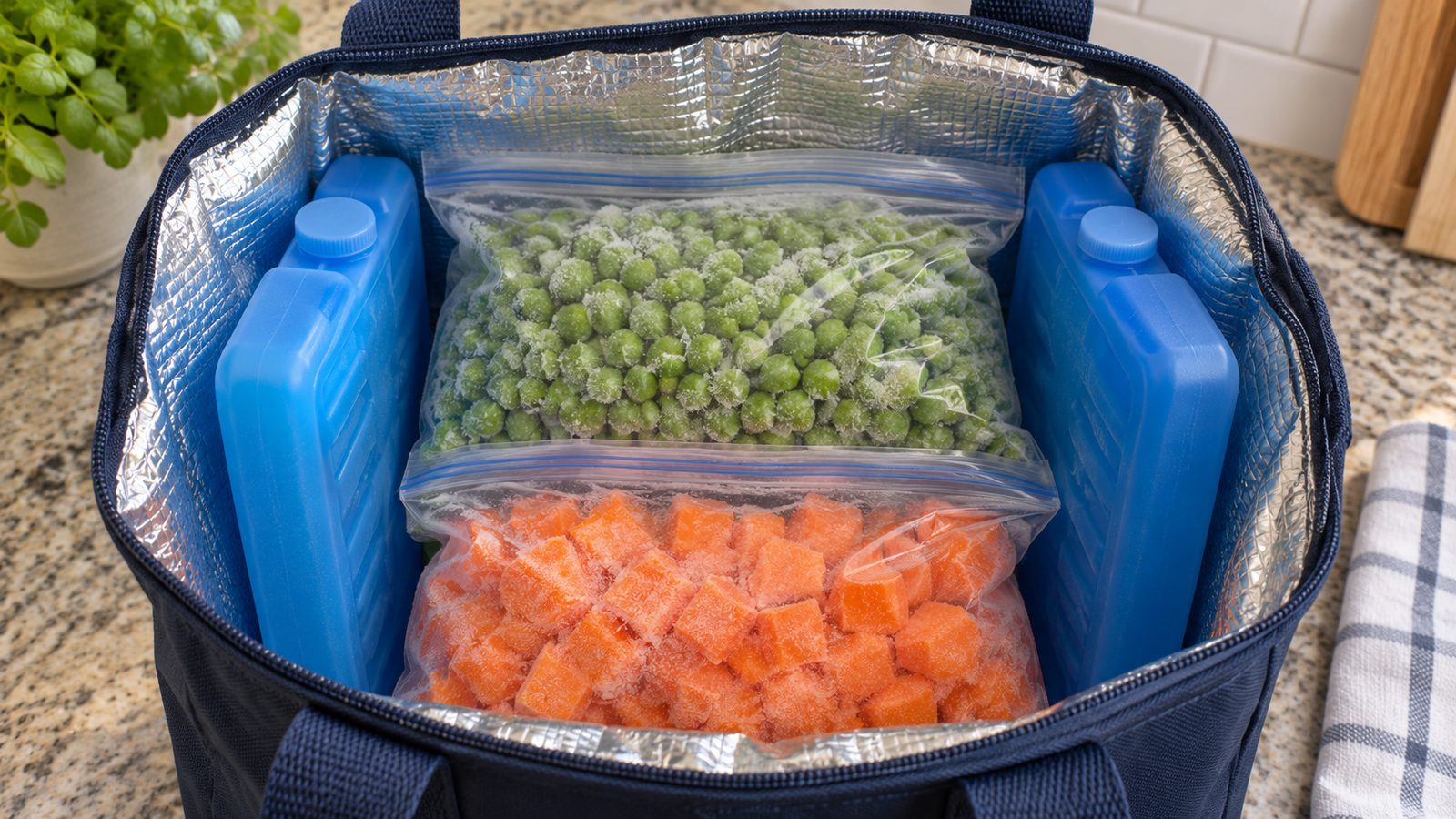
USDA recommends buying cold items last, using ice or gel battery coolers when necessary. The recommendation to refrigerate or freeze perishable foods within two hours of purchase is not a waiting goal; The aim is to keep the job as short as possible. A hot vehicle or delay makes this plan even more important. Don't forget the packages on the counter when you get home. Do not haphazardly refreeze a product that has clearly thawed or whose transportation condition is unclear and consider the problem solved; Consult the manufacturer or the competent food safety authority.
When you enter the house, re-read the label and prepare it correctly.
The FDA gives a target of −18 °C for the home freezer; Monitor the situation with the appropriate device thermometer instead of the position of the adjustment knob. When placing the packages, do not compress them in a way that completely blocks air circulation. Keep the product's cooking and storage instructions with the packaging. If you are going to buy some from the large package, quickly separate what you need, close the remaining portion tightly and return it to the freezer. Do not leave the package open on the counter for a long time and try to prepare it for next use. Do not leave the open pack on the counter while preparing later portions.
If the package includes instructions for cooking from frozen, follow that method; Do not apply the same amount of time to all vegetables. Peas and large pieces of carrot may not behave the same; Device power, quantity and mixing requirements also vary. Thawing alone for salad does not replace cooking. The FSA advises that frozen vegetables that require cooking should also be cooked before cold consumption. The final check order is simple: correct ingredients, sturdy packaging, frozen product, short transport, suitable freezer and cooking according to label. Don't try to compensate for one link in this chain with good looks. The FSA is the UK Food Standards Agency.
İyi Bir Yemek
Food Researcher & Writer
Reader Comments & Contributions
Be the first to share your thoughts on this post