
What is Kobe Beef?
What is Kobe beef? Learn in detail the difference between real Kobe and Wagyu, their characteristics, why they are so expensive and their cooking secrets.

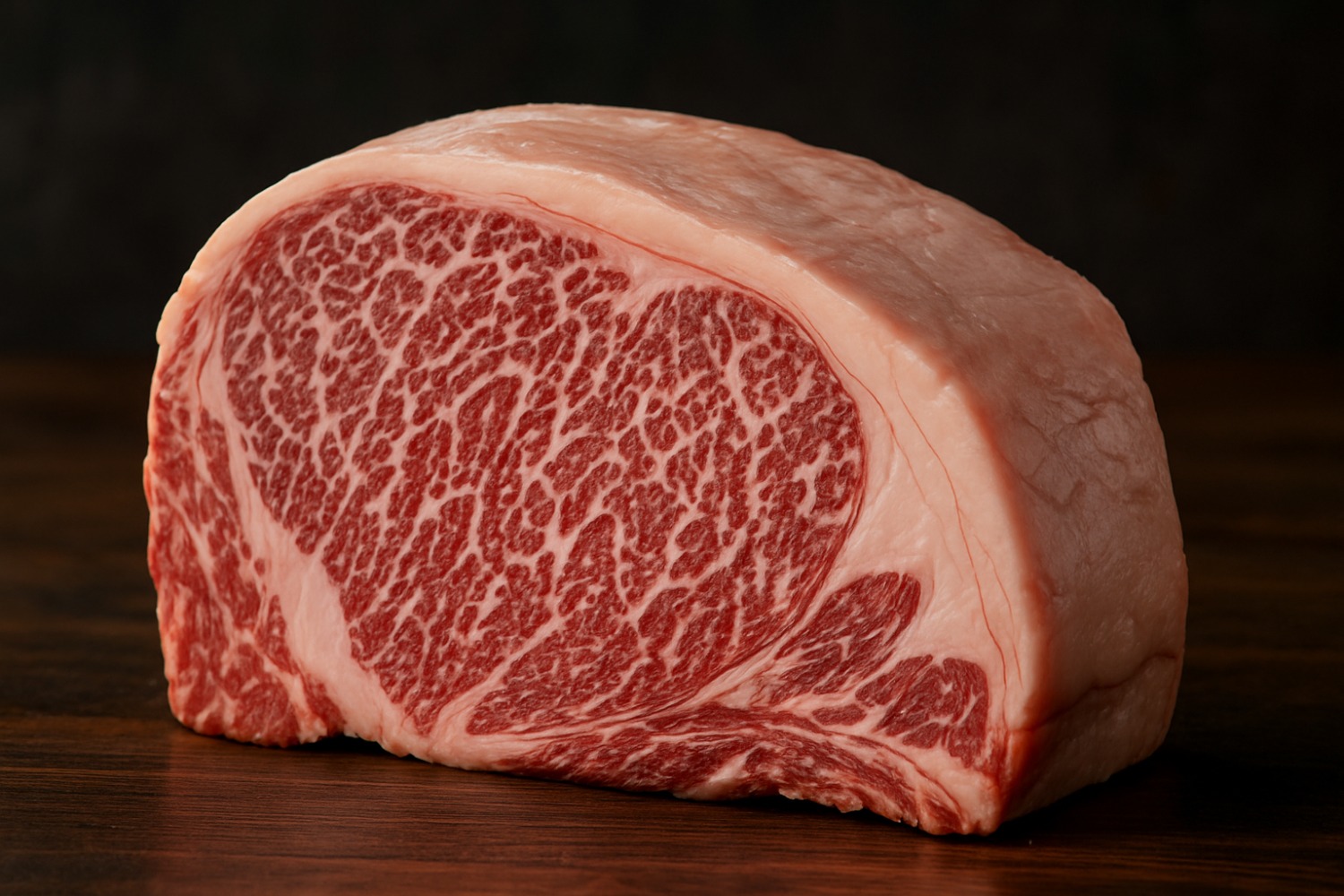
The question of what Kobe meat is has become one of the most curious and at the same time misunderstood topics in the world of gastronomy in recent years. Kobe meat is a high-quality Wagyu meat, obtained from the black cattle breed called "Tajima", native to the Hyogo region of Japan, and produced only from animals that have undergone very strict inspections. The name “Kobe” can only be used for meat coming from cattle raised according to certain standards in this special geography.
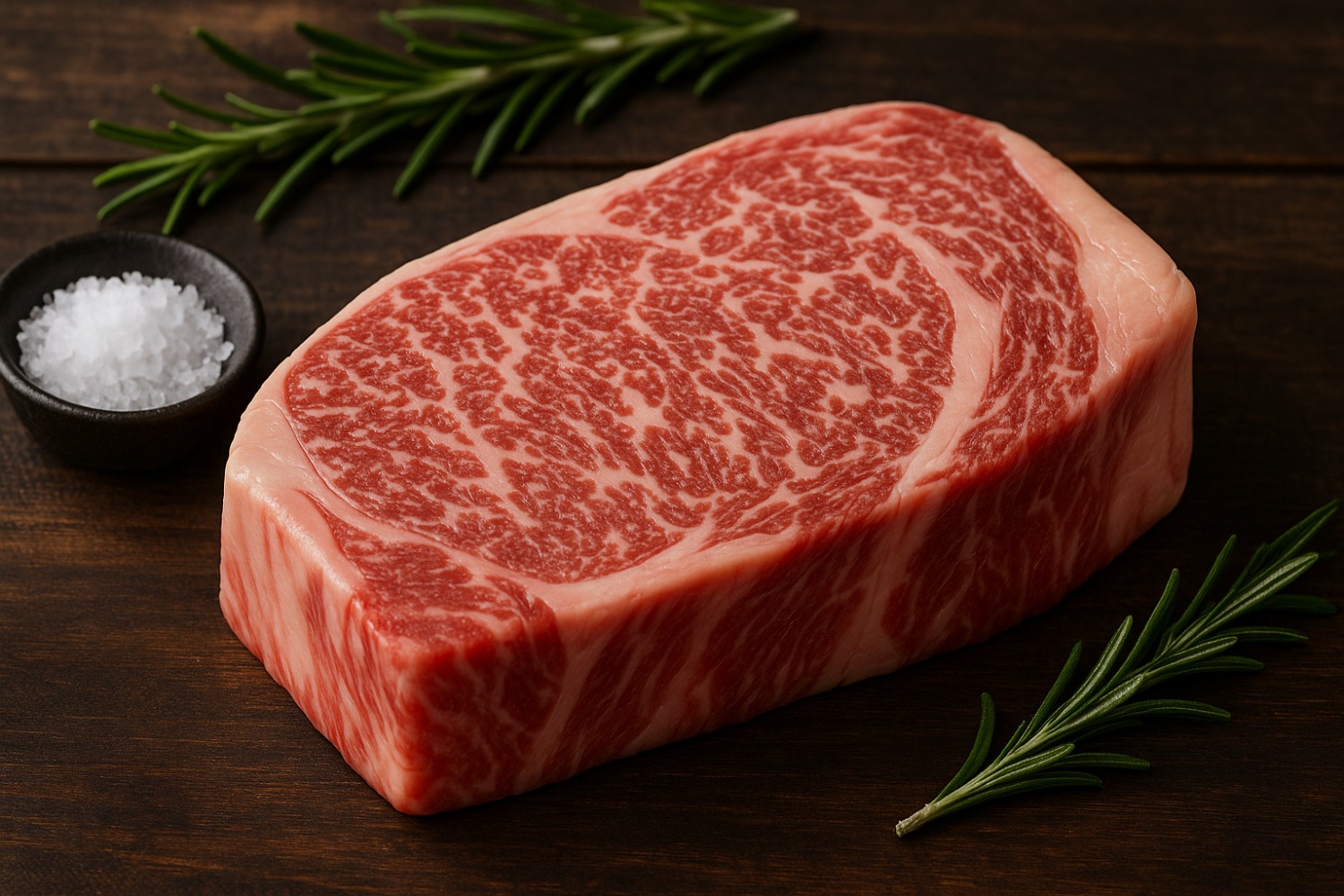
This meat attracts attention not only with its softness and unique aroma, but also with its aesthetically dazzling high degree of marbling. White fat particles spread throughout the muscles in the form of thin veins make this meat both a unique and luxurious experience. So much so that Kobe meat is considered a symbol of taste worldwide; It is presented as a status symbol in restaurant menus.
But let's point out right away: Not every Wagyu meat is Kobe. Kobe is the most exclusive subset of Wagyu. Kobe beef can only be sourced from Tajima-gyu cattle raised in Japan's Hyogo prefecture and meeting certain quality criteria. Moreover, these meats come with a label; each has a special number. In this way, it can be easily distinguished whether the meat is real Kobe or not.
Kobe meat is not just a food item; It is almost a cultural heritage, an artistic material in the hands of a chef, a sophisticated touch left on the palate. It is the crown jewel of not only Japanese cuisine but also the entire world gastronomy. Moreover, this meat is so respected in Japan that everything from the quality of life of the animals to the slaughtering conditions is carried out with the solemnity of a ceremony.
Key Differences Between Wagyu and Kobe Meat
Although Wagyu and Kobe beef are often used interchangeably, there are quite clear distinctions between these two terms. Kobe cannot be obtained from every Wagyu cattle. Rather, it is produced only from Wagyu Tajima-gyu cattle, which come from a specific genetic lineage, are fed with strict protocols, and were born and raised in the Hyogo region.
The word Wagyu means “Japanese cattle” in Japanese (wa = Japanese, gyu = cattle). Kobe, on the other hand, is at a higher level in this general category. Just as not all whiskey is Scotch whiskey, not all Wagyu is Kobe.
Defining characteristics of Kobe beef include:
The breeding region must be Hyogo Prefecture only.
The cattle must be of purebred Tajima-gyu lineage.
The cattle must be fattened for at least 28 months.
It must be in the A4 or A5 quality class determined by the Japanese government.
The marbling value of the meat must be 6 and above.
Each piece must be labeled by the Kobe Beef Marketing and Distribution Promotion Association.
Any piece of meat that does not meet these criteria cannot be sold under the name "Kobe". This strict system ensures that the quality of Kobe beef remains at the same excellent level for years.
Kobe Beef History
The history of Kobe meat dates back to Japan's Meiji Period. With the increasing Western influences after 1868, the Japanese began to expand meat consumption. Since the Kobe port was one of the first trade points opened to the outside world during this period, the Tajima cattle here were among the first notable examples.
Over time, the softness, muscle structure and fat distribution of Tajima breed cattle attracted the attention of Western traders and chefs. The meat obtained from these animals gradually gained fame and the name "Kobe Beef" became a gastronomic icon that spread beyond Japan.
In the 1970s, Kobe meat was recognized as a symbol of quality in Japan and an official certification system was developed. Thanks to this system, the quality of Kobe meat was assured and it became distinguishable from fakes around the world.
Certification Process of Kobe Beef
A meticulous tracking and labeling system is applied in Japan to distinguish real Kobe meat from fake. This system, carried out by Kobe Beef Marketing and Distribution Promotion Association (KBMDPA), records all processes of each cattle, from birth to slaughter.
The following information is included on Kobe meat:
certificate number of the meat
birth date and breeder of the cattle
Carcass rating score (for example A5-BMS12)
Tajima pedigree number
Official red seal of KBMDPA
These certificates make the entire journey of the meat traceable. Therefore, the presence of this label should be checked when purchasing Kobe meat.
What is Marbling and Why is it Important?
One of the most distinctive features that make Kobe meat unique is undoubtedly its extraordinary level of marbling. But what exactly does this “marbling” mean?
Marbling is the situation in which the thin fat veins in the meat are distributed among the muscle tissue. It is called this name because it resembles marble in appearance. In Kobe beef, these veins are distributed so elegantly that each bite leaves you with a silky melting of fat in your mouth. This fat consists largely of monounsaturated fats, unlike ordinary saturated fats. This brings Kobe to the upper class in terms of both taste and health.
This feature, measured by the scoring system called Marbling Score (BMS), is the main criterion for Kobe meat to be "elite". In this system, while cattle below BMS 6 cannot receive Kobe status, the best quality meat reaches BMS 10-12 level.
Effects of Marbling:
Taste: As the fat melts, umami and sweet flavors spread to the meat.
Softness: Since there is fat in the meat fibers, chewing resistance is almost almost There is none.
Flavor: Fat is the carrier of flavor. Marbling turns Kobe beef into an explosion of taste.
Visual: The white veins that appeal to the eye even before cooking provide an aesthetic presentation.
Marbled meat is valuable in many regions of the world. However, Kobe beef is at the top in this regard. Japan's years of breeding work and genetic selection have enabled this ideal fat-muscle ratio to be achieved.
Cooking Methods of Kobe Meat
Kobe meat is not a meat that can be cooked in any pan. Its perfection, delicate structure and unique marbleization; It requires a cooking process that requires attention and technique. The three most preferred methods to properly present this valuable meat are:
1. Teppanyaki (Japanese Style Hot Roll)
In Japan, Kobe meat is mostly cooked using the teppanyaki method. It is sealed in a short time on the high-temperature heated iron plate. The natural juice and fat of the meat do not leak out, they are trapped inside. Kobe beef, sliced by the chef with knife strokes, is usually served with wasabi and soy.
2. Sous-vide Method
This French technique, based on the principle of low-temperature, long-term cooking, slowly melts the fat without damaging the internal texture of the Kobe steak. Afterwards, the outer part is covered with a crispy crust by sealing it in a cast iron pan for a few seconds.
3. Cast Iron Pan
If it is to be made at home, it is necessary to work with a high quality cast iron pan. The pan is preheated, searing the Kobe beef on both sides for just a few seconds. Overcooking is a huge loss for this type of meat.
Cooking Secret:
Because it is high in fat, Kobe beef never needs more than medium rare. The most ideal consistency is “rare” or “medium-rare”. Just sprinkling a pinch of sea salt on it is enough to crown its taste.
Why is Kobe Beef So Expensive?
The price of Kobe meat can reach jaw-dropping figures around the world. So, what are the real reasons why it is so expensive?
1. Limited Production
Only about 6,000 cattle per year qualify for Kobe beef status. This is a very small number on a global scale. Limited production directly pushes the price up.
2. Long Raising Process
Kobe cattle are raised on special diets and in stress-free environments for an average of 30-32 months. This long process leads to an increase in many items, from feed costs to labor costs.
3. Certification and Inspection Cost
Traceability of each piece of meat requires a process that is followed from birth to the plate. This tracking system places a significant burden on production costs.
4. Genetic Quality
Tajima cattle have been bred over centuries with carefully selected genetic lines. This special gene pool guarantees the taste quality of the meat. The cost of animals with high genetic value is also high.
5. Trade Restrictions and Customs
Exports of Kobe meat from Japan to other countries are subject to certain certificates and customs permits. This further increases the price of imported Kobe products.
Many people may find the price of Kobe meat "exaggerated"; However, when going into details, it is possible to say that the meticulous process behind this meat is worth every penny.
Tasting Experience of Kobe Meat
Eating Kobe meat is not just consuming a meal, it is a sensory experience in itself. Each bite is like a ceremony, with its intense umami taste spreading across the palate, its silky texture and its fat content that melts in your mouth. The difference between this meat and an ordinary steak is not only in its taste; It is also hidden in its smell, softness and the "shocking" pleasure it leaves in the mouth.
3 Elements that Stand Out in the Taste:
Texture: Kobe beef almost "melts like butter" when chewing. Fiber resistance is almost non-existent. This makes it one of the most tender meats in the world.
Taste: Intense marbleization brings umami flavors to their peak. Slightly sweet, hazelnut and buttery notes are felt.
Smell: The aroma that rises during cooking reveals the quality of the meat from the first moment.
When tasting Kobe meat, it is usually served plain. Spices or sauces are kept to a minimum because this meat is already a “feast of taste” on its own. Many Japanese chefs serve Kobe beef with only sea salt and a little wasabi, so that its natural taste stands out.
Tasting suggestion:
Close your eyes after the first bite. Feel how the oil spreads on your tongue. Then have water or a neutral drink. Every bite opens a new layer.
In Which Dishes Is Kobe Beef Used?
Kobe meat is a versatile flavor that can be used in creative recipes as well as in plain presentation. But be careful: It is a great waste to waste it on recipes that will overshadow other ingredients. Here are the most preferred Kobe dishes:
🍽️ Teppanyaki Kobe Steak
A favorite of restaurants. Kobe beef cooked at high temperature is served immediately. It is served with Japanese vegetables, rice and sesame sauce.
🍣 Kobe Nigiri or Sashimi
Kobe meat is also consumed raw. Lightly flamed or marinated slices are served over sushi rice. It comes together with the elegance of Japanese cuisine.
🍜 Kobe Sukiyaki
Kobe slices cooked in a pan with vegetables, noodles and soy sauce; It serves as both a soup and a main dish. The sweet-soy balance adds incredible depth to the meat.
🥩 Kobe Burger (Luxury Fast Food)
Nowadays, some luxury restaurants offer burgers made from Kobe meat. Its prices are high, but you will understand why with every bite.
The feature of Kobe meat is that it gives excellent results even with few ingredients. Therefore, regardless of the technique used, minimalism that will not overshadow the taste of the meat should be preferred.
Is it Possible to Find Kobe Meat in Turkey?
Finding Kobe meat in Turkey was almost impossible in the past. However, as the interest in the world of gastronomy has increased in recent years, importing companies and restaurants that include this meat in their menus have increased. Of course, with some caveats...
Where to Find It?
Boutique Meat Shops: A limited number of private butchers in Istanbul, Ankara and Izmir import Kobe meat periodically.
Online Premium Meat Sites: There are e-commerce sites that offer frozen, vacuum-packed Kobe steaks originating from Japan.
Restaurants: Kobe meat can be found on the menu, especially in Japanese or fusion cuisine restaurants with the "fine dining" concept.
Things to Consider:
Real Kobe meat is certified. It must have a QR code or label on it.
Products that only say "Wagyu" may not be Kobe. The label must say “Kobe Beef”.
Be careful if prices are too low. Real Kobe meat is usually very costly even per 100 grams.
Note:
Some meat sold in Turkey may be marketed as "Kobe style" or "Wagyu type". These don't offer the same flavor profile as real Kobe, but can still be quite good quality.
İyi Bir Yemek
Food Researcher & Writer
Reader Comments & Contributions
Be the first to share your thoughts on this post