
Things to Consider When Choosing a Cutting Board
Choosing the right cutting board is critical for kitchen safety. Make a healthy choice by considering factors such as material, size and microplastic risk.

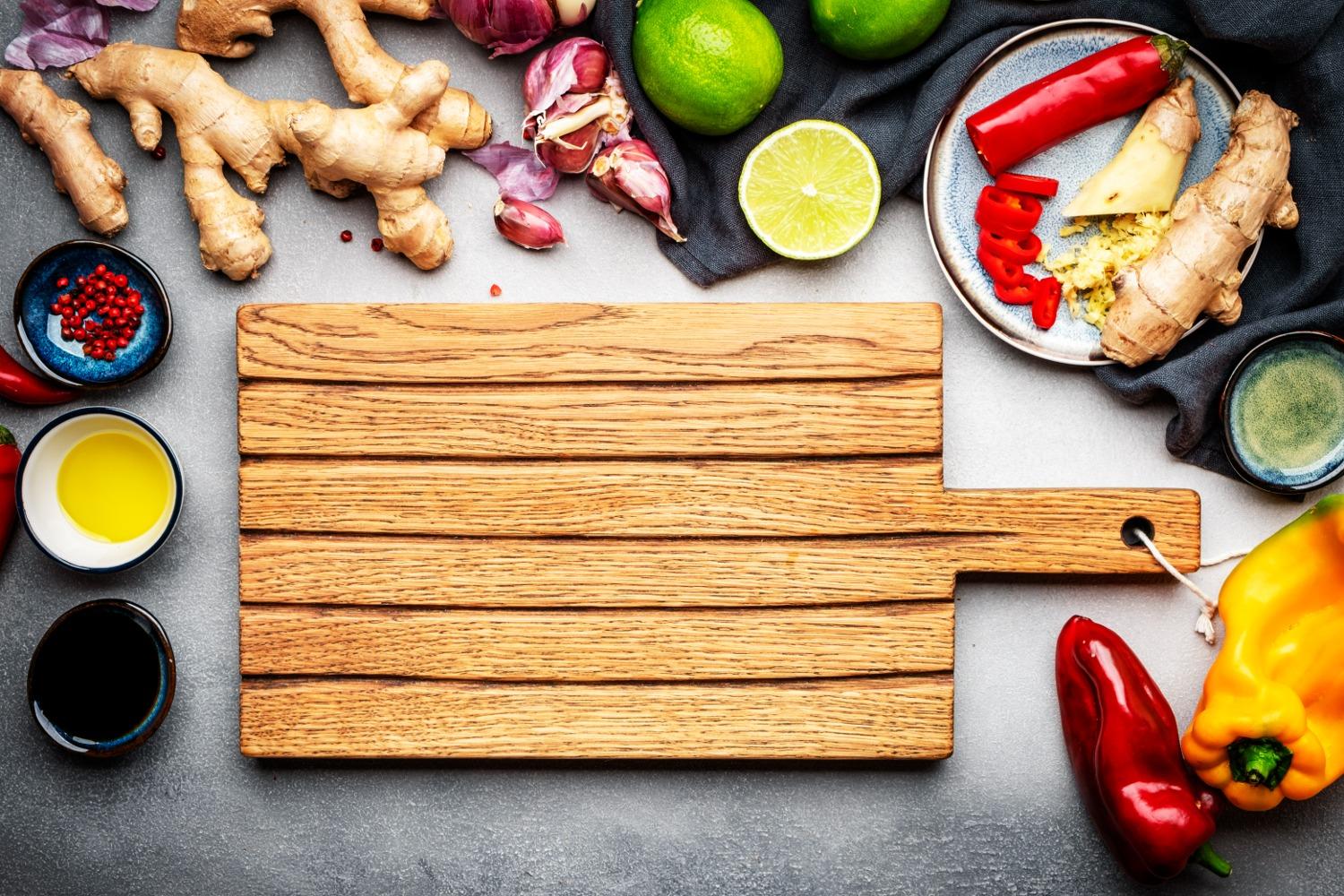
Choosing a cutting board is an important decision in terms of health and safety in the kitchen. Choosing the right board will not only make your kitchen work easier, but also ensure the safety of your food. When choosing, it is useful to consider material, size and maintenance, as well as the potential effects of microplastics. Here are some key factors you need to consider:
1. Material Selection and Microplastics:
· Wooden Cutting Boards: A natural option, but requires special care to maintain. Long-lasting and safe use can be achieved with regular maintenance.
· Plastic Cutting Boards: They are known for being practical and easy to clean. However, there is a risk of microplastic particles mixing with food from scratches that occur over time due to knife blows. For this reason, it is recommended that they be renewed regularly or that boards with deep scratches be removed from use.
· Bamboo Cutting Boards: It is both an environmentally friendly and durable option. They do not pose the risk of microplastic formation and can be used for a long time with proper care.
· Glass Cutting Boards: They are hygienic and easy to clean, there is no risk of microplastic formation. However, they can damage your blades and be noisy.
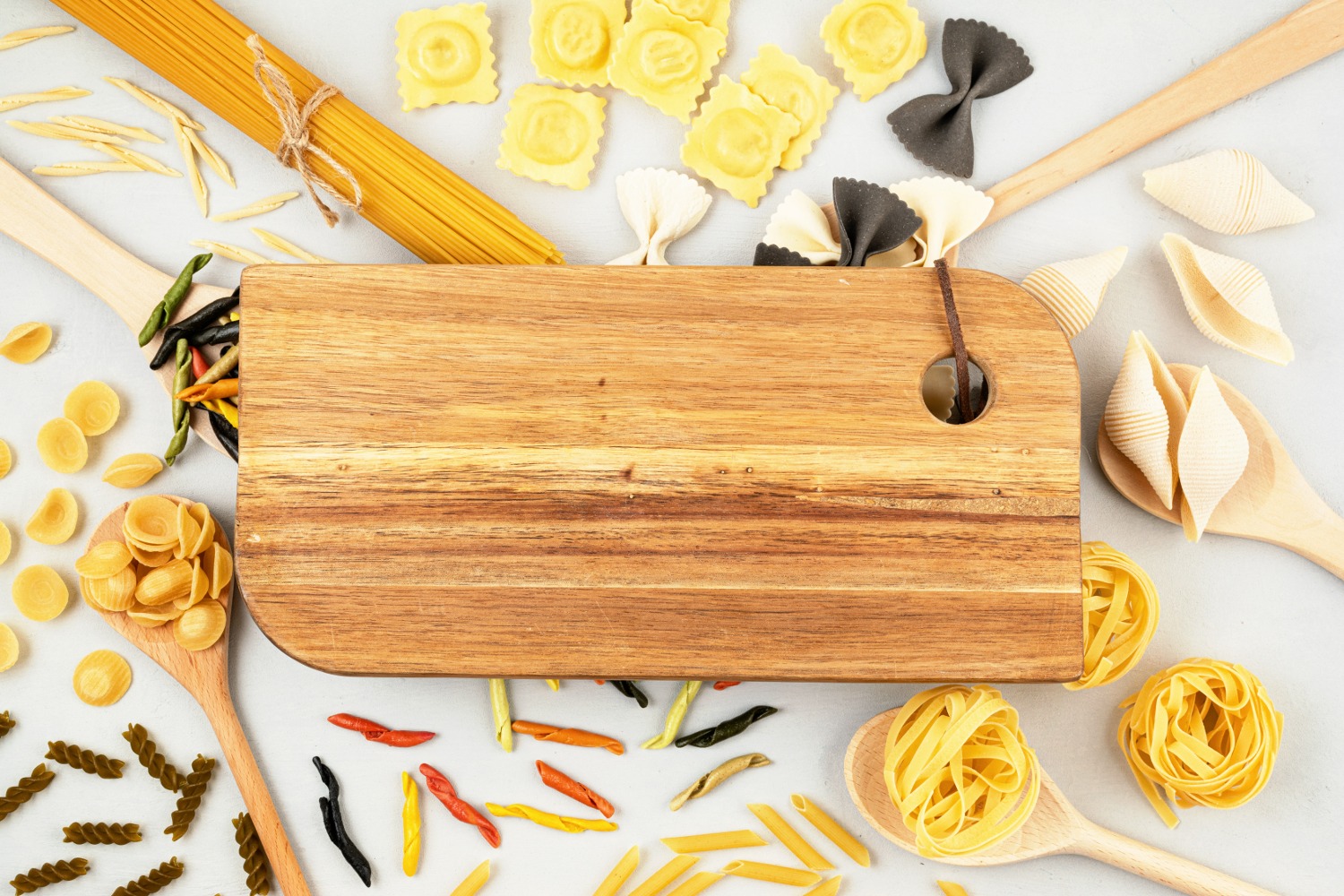
2. Importance of Size:
· The size of the cutting board should suit your intended use and the size of your kitchen counter. Large boards generally offer more functionality, while smaller boards are ideal for quick and practical work. Choose an appropriate size by considering your storage space in the kitchen.
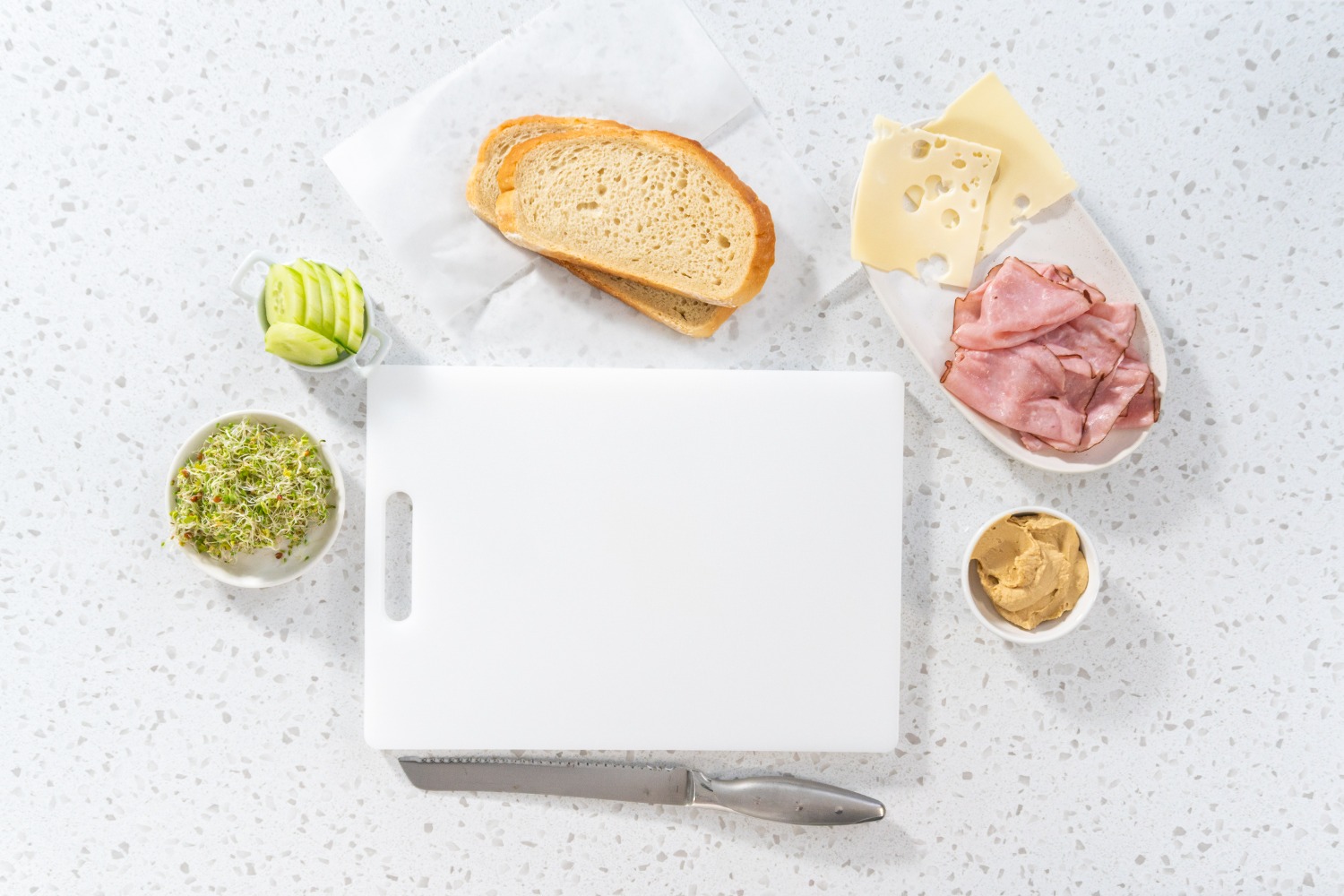
3. Maintenance and Cleaning:
The maintenance of each cutting board varies depending on its material:
- Wood and Bamboo: Maintenance should be done periodically with mineral oil and should not be exposed to water.
- Plastic: It is easily cleaned with hot water and detergent.
- Glass: It is the easiest to clean material and does not carry the risk of microplastic.
Note on Microplastics:
Microplastics have potential impacts on the environment and health. To prevent microplastics that may form on plastic cutting boards from transferring to food, check your board regularly and renew it when deep scratches appear. Minimizing the formation of microplastics in any kitchenware that comes into direct contact with your food is important for your overall health.
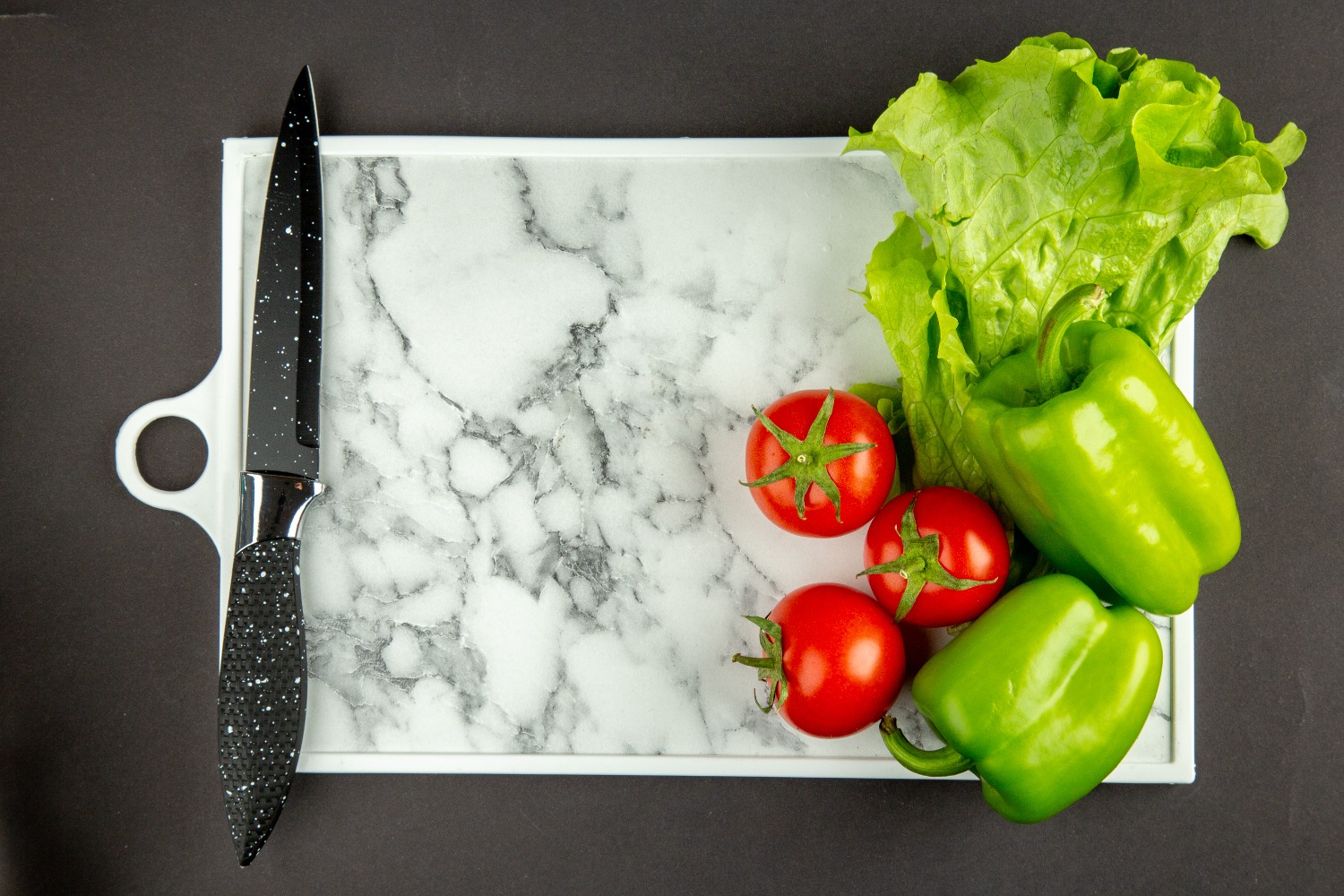
Choosing the right cutting board can make your time in the kitchen more enjoyable and safe. By making an informed choice about material, size, maintenance and microplastics, you can protect the health of both you and your family. When choosing a cutting board, consider these tips and make the most suitable option for your kitchen.
İyi Bir Yemek
Food Researcher & Writer
Reader Comments & Contributions
Be the first to share your thoughts on this post