
The Origin and Historical Journey of the Potato: A Root That Changed the World
Although potatoes are an indispensable part of world cuisines today, they are actually a fairly new discovery. The historical journey of this humble root vegetable has profoundly affected not only the world of gastronomy, but also the global economy and societies.

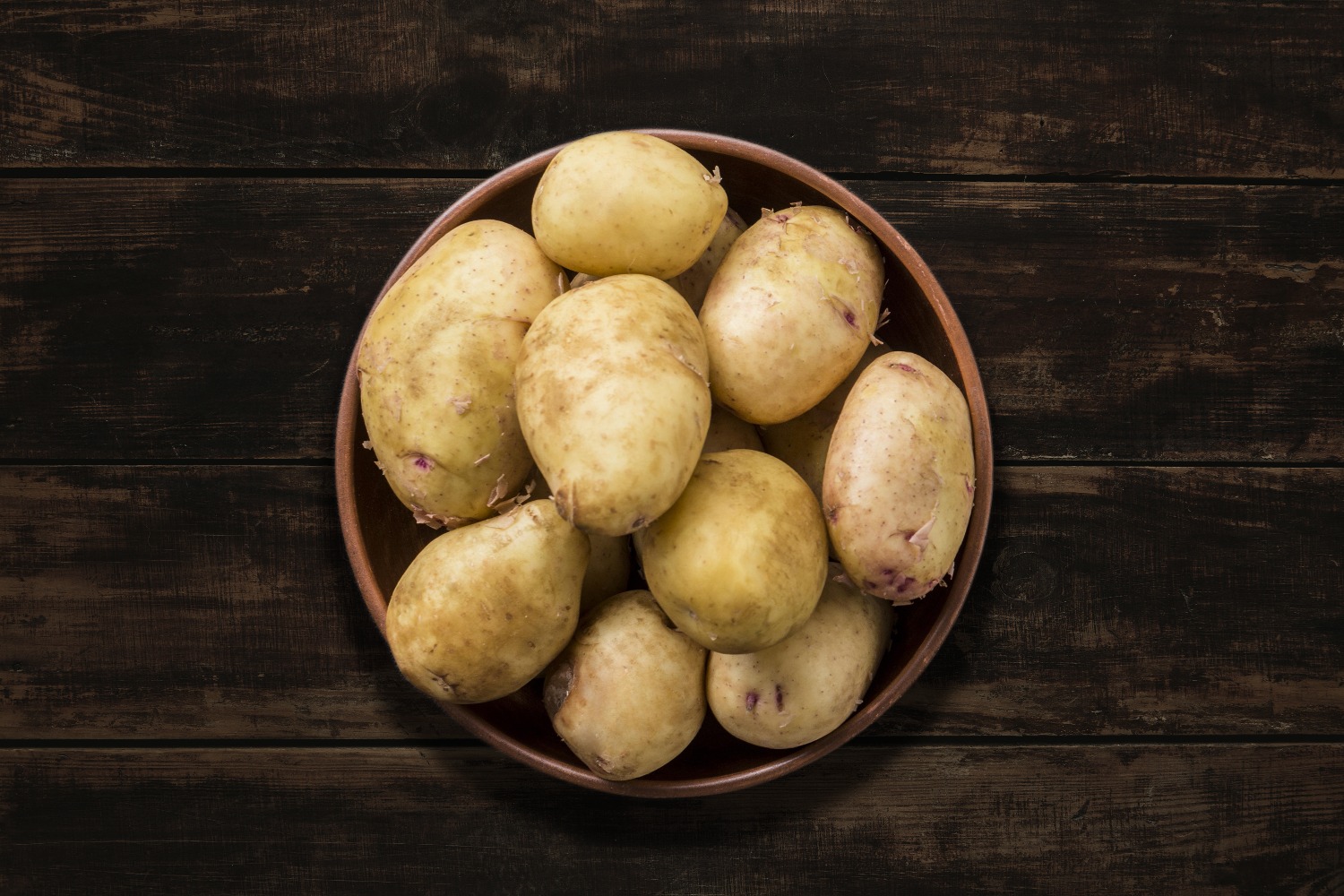
Although potatoes are an indispensable part of world cuisines today, they are actually a fairly new discovery. The historical journey of this humble root vegetable has deeply affected not only the world of gastronomy, but also the global economy and societies.
Homeland of the Potato: The Andes Mountains of South America
Potato has a history dating back tens of thousands of years. It was first cultivated by indigenous peoples in the Andes Mountains, in what are now Peru and Bolivia. The Inca civilization recognized the nutritional value of potatoes and made it a part of their diet. In order to preserve potatoes for a long time, the Incas produced freeze-dried "chuño" and used this method as a food source in times of famine. They brought potatoes to Europe in the early 16th century. At first, there was great resistance to potatoes in Europe. Because it was thought to be poisonous and its unsightly appearance, it was mostly used as animal feed or ignored altogether. However, towards the end of the 18th century, especially in times of famine, the nutritional value and ease of farming of potatoes began to be understood.
Ireland and the Great Famine
Potatoes caused a great famine in Ireland in the mid-19th century. Much of Ireland had become dependent on one type of potato (Lumper). Between 1845 and 1852, a fungal disease called Phytophthora infestans decimated potato crops. This led to millions of people suffering from hunger and the deaths of more than a million people.
Worldwide Spread and Evolution
Potatoes began to spread around the world in the 19th and 20th centuries. Today, there are thousands of different varieties of potatoes around the world. Each region developed varieties suitable for its climate and agricultural conditions. Potato is considered a staple food worldwide and its annual production reaches billions of tons.
Cultural and Gastronomic Impact
Potato has made great contributions to world cuisines. Various dishes such as French fries, German kartoffelsalat, Russian borscht, and American mashed potatoes demonstrate the flexibility and popularity of potatoes. Every culture has adapted the potato to suit its own taste and traditions.
Potatoes in Modern Times
Today, potatoes play an important role in food security, nutrition and sustainable agriculture. Biotechnology and breeding studies have enabled the development of more productive, disease-resistant and nutritious potato varieties. Additionally, the potato's low carbon footprint and high nutritional value reinforce its role as an important food source in the face of climate change and a growing world population.
The historical journey of the potato reflects not only the evolution of an agricultural product, but also human history and intercultural interactions. This humble root vegetable plays a vital role in the nutrition of billions of people around the world and has become an integral part of global culinary culture.
İyi Bir Yemek
Food Researcher & Writer
Reader Comments & Contributions
Be the first to share your thoughts on this post