
The Delicious History of Baklava: Journey to its Origins
Baklava is a flavor that has evolved in different cultures as a syrupy and layered dessert. Discover the history, production techniques and cultural heritage of Gaziantep baklava; Take a look at the details that make this unique dessert famous around the world.

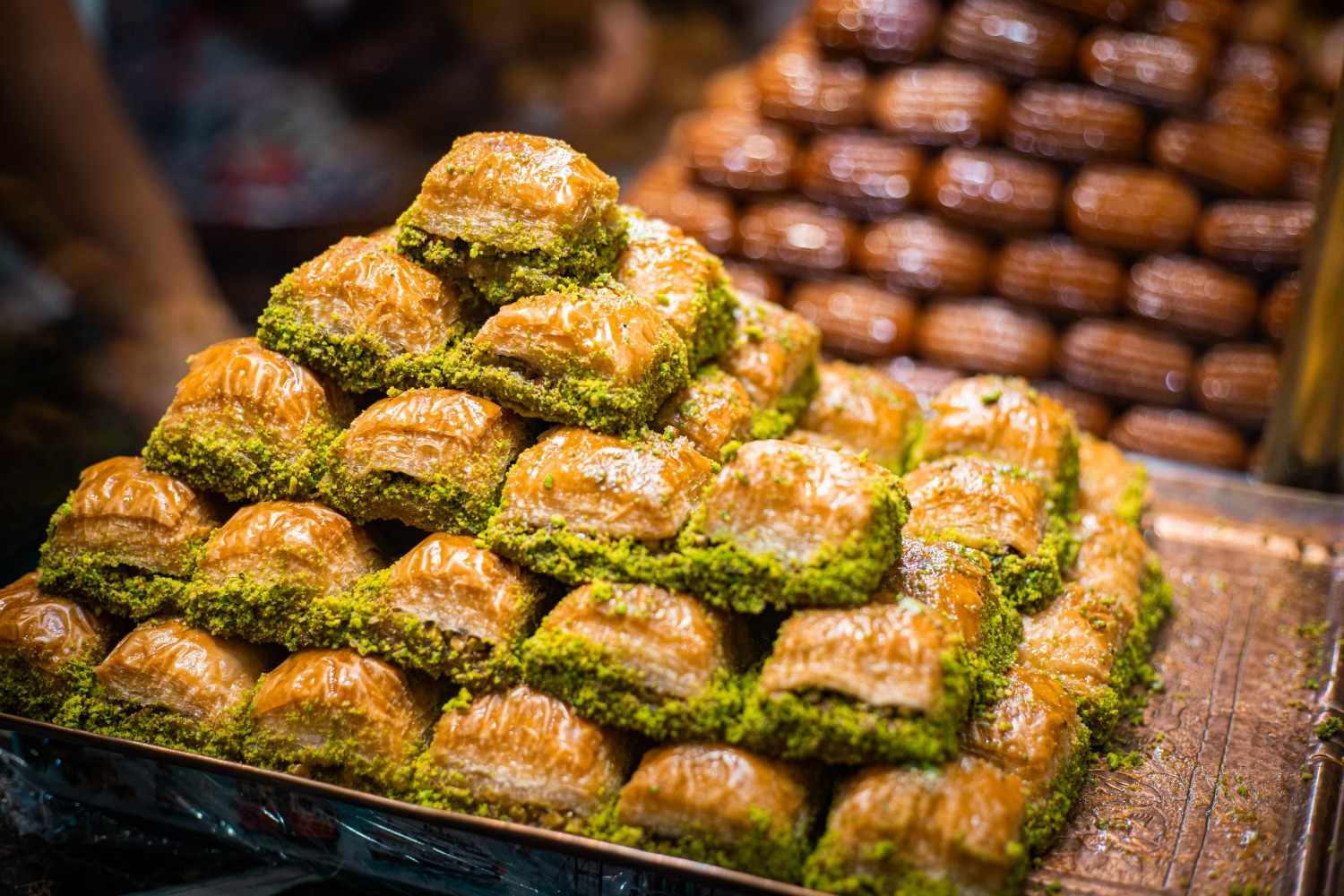
Baklava is a layered and syrupy dessert that comes from the cuisines of different cultures. This delicious dessert has found a place in the culinary culture of many civilizations over the centuries, each of which has reinterpreted baklava according to its own taste.
Origin of Baklava
Baklava is a multinational dessert that has left a deep mark on world cuisines. There are various theories about the origin of baklava, which reached its current popular form in Topkapı Palace. These include that it derives from the placenta cake in Roman and Byzantine cuisine, may have evolved from the layered bread tradition of the Central Asian Turks, and developed from the Persian dish lauizanaq. Placenta, made with cooked dough and honey in ancient Roman times, plays an important role in the origin of baklava. Patrick Faas emphasizes that Greek and Turkish cuisines are built on Roman and Byzantine cuisines. Abbasid period writer Muhammad bin Hasan al-Baghdadi describes lauzinaq as a dessert similar to baklava. Scholars such as Gil Marks and Charles Perry offer important insights into the history and cultural evolution of baklava. In particular, Perry describes the importance of baklava in the Ottoman period and the Baklava Procession presented to the janissaries during Ramadan. Chinese sources from the Yuan Dynasty also include baklava-like desserts such as Güllaç. This historical journey shows that baklava is a flavor embraced and developed by more than one culture.
Melceü't-Tabbâhîn is known as the first printed cookbook and contains various and unique baklava recipes. The recipes in the book are: Ordinary Baklava, Cream Baklava, Musanna Cream Baklava, Melon Baklava, Rice Baklava and Cold Baklava. These recipes reveal the historical diversity and richness of baklava.
The Journey of Baklava
With the expansion of the Ottoman Empire, baklava gained popularity in a wide geography extending from the Balkans to the Middle East. Türkiye, Greece and Arab countries adopted this dessert within their own traditions and created different versions. Turkish baklava is usually made with pistachios, while Greek baklava contains more walnuts. In Arab countries, less sugar is generally used and baklava is often sweetened with cardamom or rose water. 65, 81);">Baklava is more than just a dessert; It is also a symbol of culture and tradition. It has become an indispensable dessert on the tables, especially on holidays and special occasions. Each country's own recipes and production techniques show that baklava is not only a delicacy but also a heritage for these societies. Each layer contains the stories and gastronomic skills of the societies that created and developed this dessert.
Baklava in Türkiye
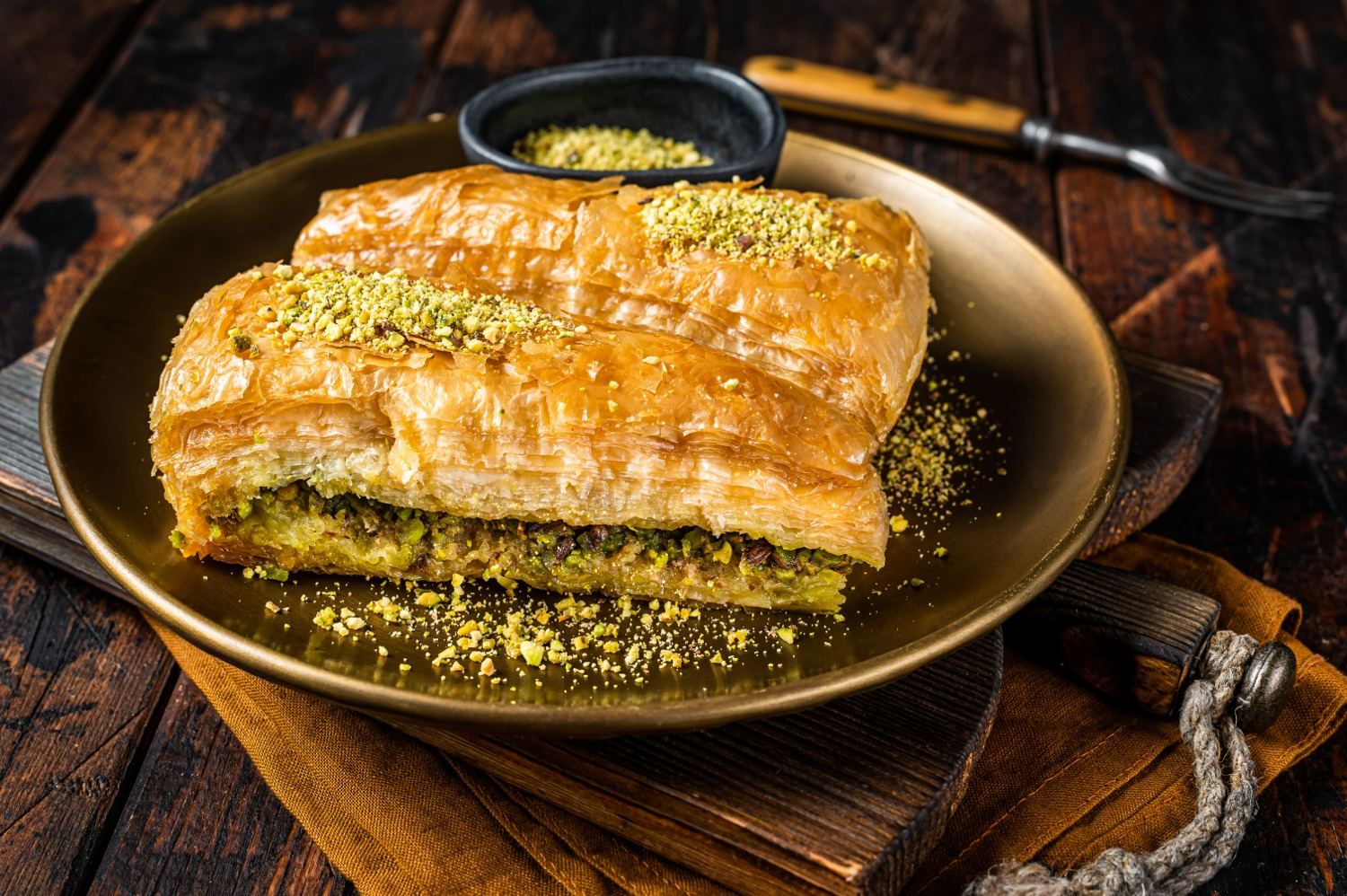
Türkiye's city of Gaziantep is famous for its world-renowned baklava. The uniqueness of Gaziantep baklava is based on the quality ingredients used and the mastery in production. Among Turkish baklavas that show regional differences, the Gaziantep version stands out especially with its use of pistachios. Pistachios are preferred in Southeastern Anatolia, hazelnuts in the Black Sea, walnuts in Central Anatolia, almonds in the Coastal Aegean and sesame in Edirne and Thrace.
Gaziantep Baklava is produced using methods and regional ingredients. Flour obtained from hard wheat grown in the Harran Plain and Gaziantep's water is turned into 40 layers of paper-thin dough using rolling pins made of pear wood, with the skill of masters from Antep. Emerald green colored and richly flavored pistachios harvested in August, high-fat clarified butter obtained from goat and sheep milk, and semolina obtained from the region are used. The preparation and temperature of the syrup determines the quality of baklava. The taste of Gaziantep baklava starts with many details such as the type of wheat, the harvest time of the peanuts, and the quality of the ghee. Each step is shaped by factors such as humidity and weather conditions in the production environment. A good baklava is known for its thin layers of dough turning golden brown and the rustling sound that comes from the first bite. This is a unique experience for baklava lovers.
Footnote: On August 8, 2013, the European Union Commission officially registered baklava as a Turkish dessert due to its historical and cultural heritage.
İyi Bir Yemek
Food Researcher & Writer
Reader Comments & Contributions
Be the first to share your thoughts on this post