
Kitchen Shears: Choosing, Using and Cleaning Them
Selection of handle, blade and detachable connection for kitchen scissors; Workable guide to herb cutting, unpacking, raw food separation and cleaning.

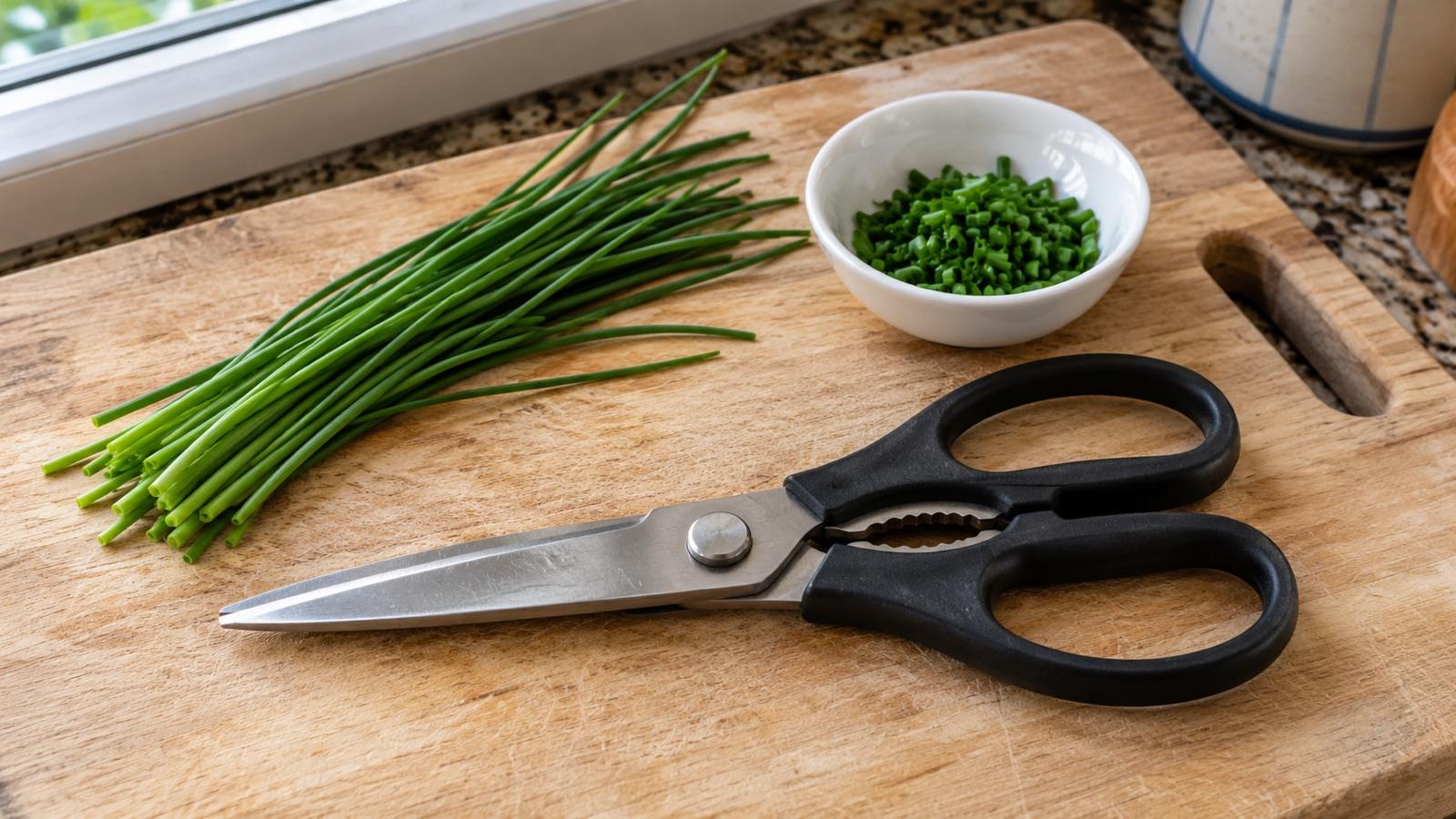
Kitchen scissors are useful for small, controlled cuts; The right model is selected according to the work to be done and cleanability. Portioning herbs, shortening the kitchen string, and opening appropriate packaging can be done with the same tool, but cleaning from dirty packaging or raw food to ready-made food is not done without cleaning. It is not right to blame scissors for every task that strains the knife. This guide provides a home working sequence, from purchasing control to cutting order and drying removal.
Choose the task, handle and blades
When you hold the kitchen scissors, the handle loops should not pinch the fingers, and opening and closing them should not strain the wrist. For a left-handed person, the symmetrical appearance of the handle alone is not a sufficient criterion; Check the manufacturer's hand fit information and field of view while cutting. A heavy model may feel solid during a short job, but may tire during long preparation. Read the uses in the product description before purchasing; The functions of scissors designed for chicken bones and fine herb scissors are not the same.
The cutting edge also changes the selection. A micro-serrated blade is an option that can reduce the slippage of the material to be cut; This feature is not available in every pair of scissors. The detachable connection is a separate advantage from the cutting edge: it makes it easier to reach both sides of the joint. The closed connection model is not automatically impractical, but access to the narrow space and drying require more attention. Do not read the stainless steel label as a promise of unlimited moisture resistance.
ZWILLING · Kitchen shears guide · ZWILLING · Take-apart shears
Arrange the worktop and cut small batches
Before starting work, arrange clean scissors, the product to be cut and the container in which the cut pieces will fall. A practical example is to keep washed and dried chives in small bunches and snip them into short pieces over a bowl. Do not extend fingers in front of blades; As the bundle thickens, reduce the size of the bunch instead of forcing the blades. There is no guarantee that a model with a steel handle will not slip with wet hands. Keeping the handle and hands dry makes it easier to establish a comfortable grip.
Chopping a bunch of herbs with scissors can reduce the need to set up a cutting board. On the other hand, when large quantities of vegetables require equal cubes or long, neat strips, a cutting board and a suitable knife may be a more controlled choice. Don't crush the food just to finish all the work with scissors. If the cut ends are crushed like puree, material escapes between the blades, or your hand hurts, stop and check the batch size, cleanliness and sharpness of the tool.
Separate packaging, raw food and ready-to-eat food
After opening the package from outside, do not cut ready-to-serve herbs directly with the same scissors. First, complete the unpacking, remove waste, clean the scissors, and then move on to food preparation. Sticky labels or hard plastic cuts can leave residue in blades. If a hard and thick packaging is beyond the scope of use of scissors, use another suitable opening tool; Forcing an unopened package by bending the wrist is not a good solution.
Keep scissors that come into contact with raw meat or poultry separate from prepared foods and clean equipment. The CDC warns that raw foods can carry germs to other foods and recommends washing kitchenware with hot soapy water after each product preparation. Preparing the clean herbs first and then moving on to the raw food preparation is an example of a workable sequence at home. Using a second pair of scissors can make it easier to separate things; Both scissors should be cleaned after use.
Take apart, wash and dry
For the detachable model, separate the parts only at the angle and method specified in the operating instructions. Loosening the screw or pulling the parts with force are not the same process. First remove visible food debris; Avoid wiping with fingers towards the sharp edge. Clean and rinse the handles, blades and joint surfaces with warm to hot soapy water and a suitable soft cleaning tool. Do not leave scissors in cloudy dishwater; The invisible open blade creates a cut risk for the next user.
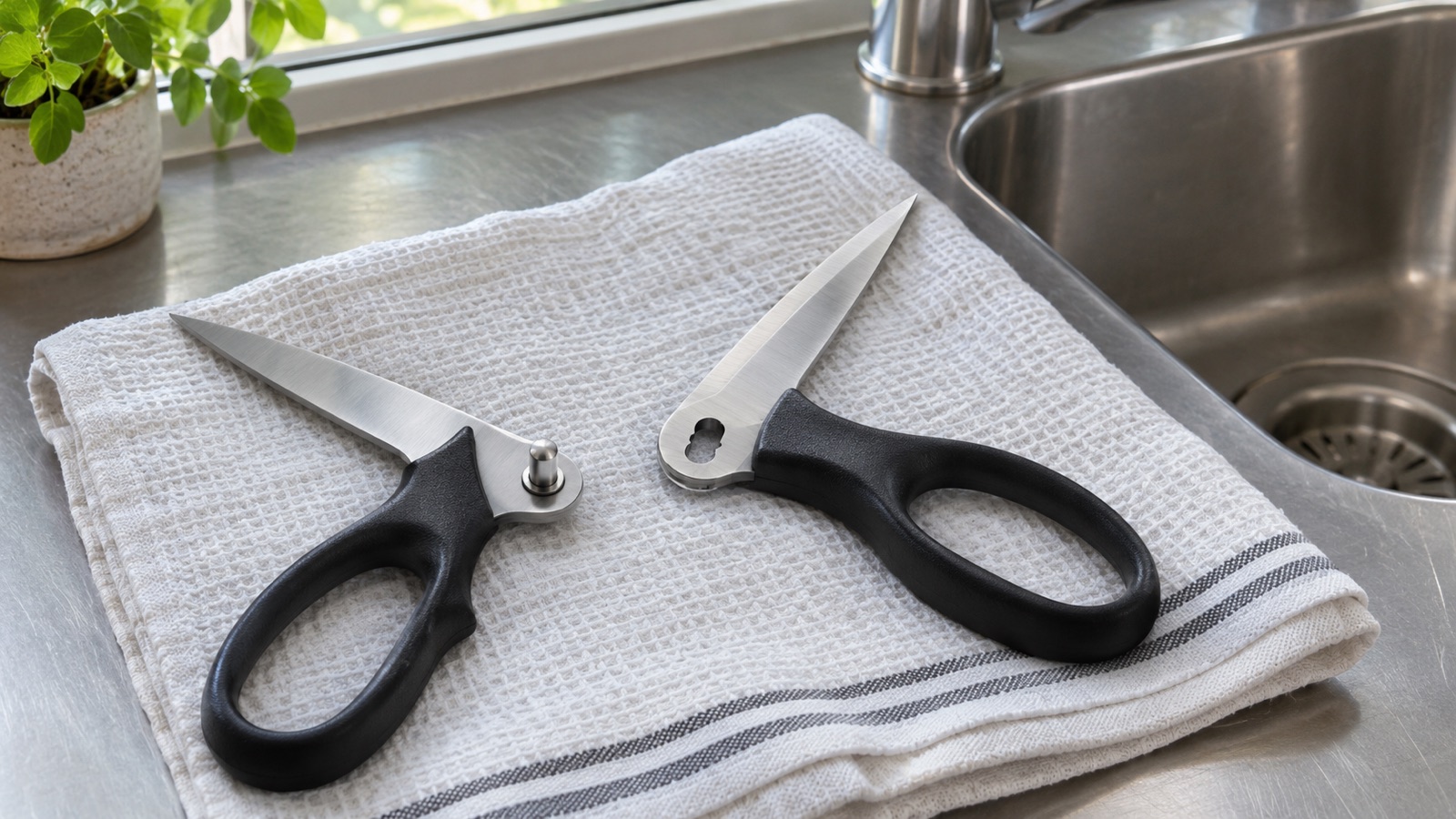
Check the manufacturer's machine washing authorization on the model. Some detachable models are dishwasher safe; This is not a common allowance for all kitchen scissors. In its general care guide, ZWILLING recommends cleaning by hand and drying immediately. Make sure there is no water left in the connection gap after hand washing; Dry the separated parts on a clean surface and assemble them according to the instructions. Just because it looks clean doesn't mean it's sterile. Follow the tool and product instructions together for additional hygiene procedures required after raw product.
ZWILLING · Kitchen shears guide · ZWILLING · Take-apart shears · CDC · Clean and separate
Troubleshooting and storage
If the blades are slipping apart, the connection is loose, or the handle is cracked, discontinue use. Do not compensate for a loose joint by gripping harder while cutting; Assess whether maintenance or replacement is required. The sharpening requirements of a toothed blade and a smooth blade may be different. Follow the manufacturer's maintenance guide rather than applying random sharpening angles at home. Don't consider cutting aluminum foil or sandpaper the universal sharpening method; First determine if the problem with the tool is dirt, looseness, or damage to the blade.
Store completely dry scissors in a closed position, in its protective case if available, and in a stable compartment where the hand cannot reach it casually. Leaving scissors open in a drawer risks cuts and can damage other utensils. A brief daily check can be made in the following order: is the handle intact, do the blades close properly, is the connection clean and dry, is the intended task suitable for the model? Once you get positive answers to these four questions, start with small, controlled cuts. Just because a tool is multifunctional doesn't mean it's the best option for every job.
İyi Bir Yemek
Food Researcher & Writer
Reader Comments & Contributions
Be the first to share your thoughts on this post