
How to Cook Juicy Chicken Breast: 5 Essential Rules
Keep chicken breast juicy with even thickness, balanced seasoning and temperature checks. Learn safe marinating, oven finishing, resting and slicing tips.

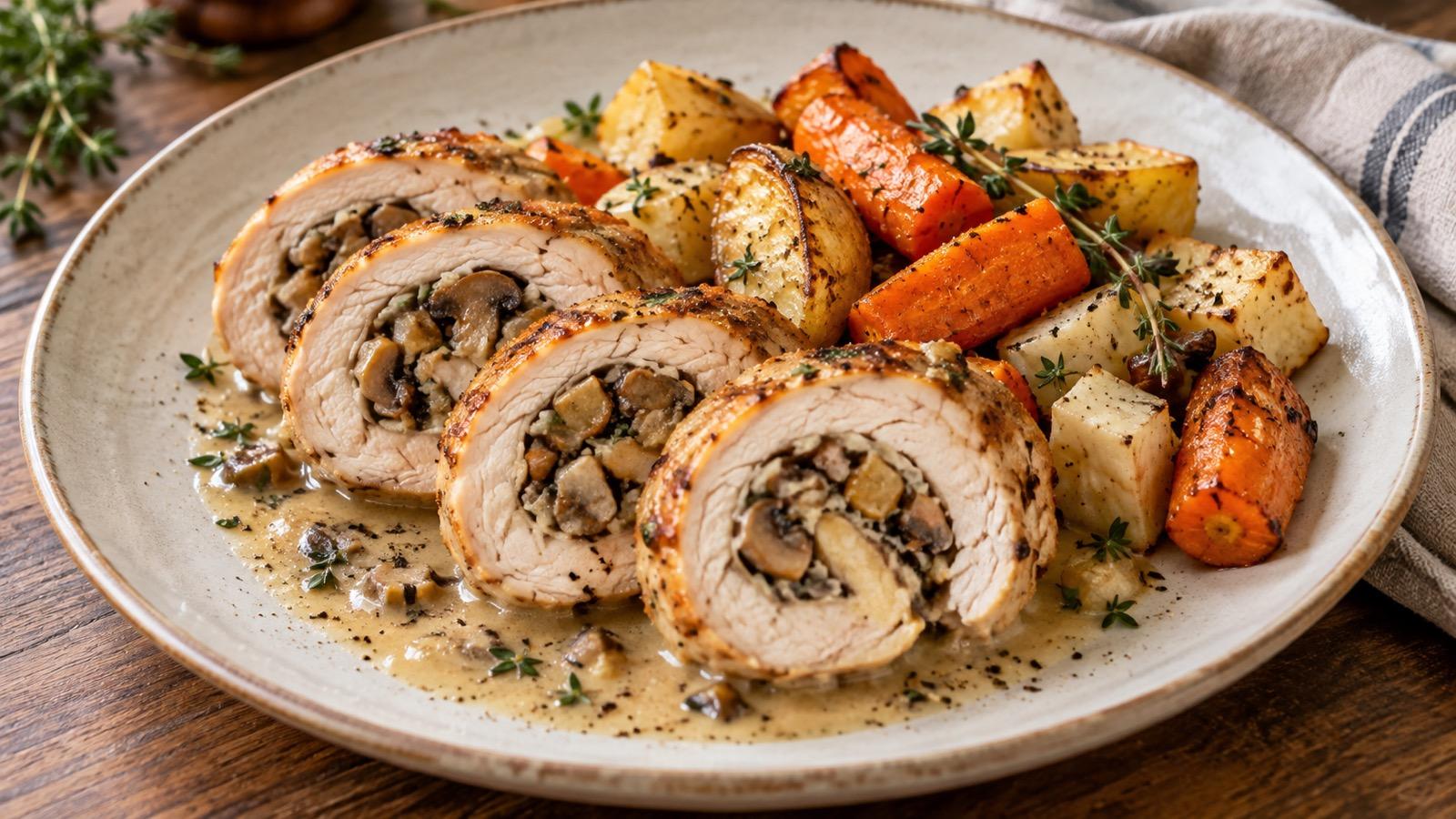
Juicy chicken breast starts with even thickness, balanced seasoning and controlled cooking. A long marinade or generous sauce cannot restore the texture of an overcooked breast. These five practical habits apply to everyday chicken breasts as well as stuffed roulades.
1. Even out the thickness and use similarly sized pieces
The thin tip and thick end of a breast do not cook at the same rate. Butterflying the thicker section or gently flattening the meat between baking paper helps it cook more evenly. The goal is an even thickness suited to the preparation, not one universal measurement for every dish.
For a roulade, open the breast without cutting through, leave clear edges around the filling and roll firmly. The filling should be cool, not watery, and modest enough to let the roll close. A larger roll diameter changes the time needed to cook the center.
2. Understand the different roles of salt and marinade
Salt affects seasoning and can influence how meat retains moisture. The amount depends on meat weight, sauces and whether salt has already been added to the product. Check labels on brined or pre-seasoned chicken. Divide the recipe’s total salt between the chicken, vegetables and sauce.
Marinades with yogurt, lemon, vinegar and spices can change flavor and surface texture. Excessive time in an acidic mixture can damage the texture; follow the timing in the recipe. Marinate in a covered container in the refrigerator. Marinating or salting does not make raw chicken safe to eat without cooking.
3. Brown the surface and control the cooking of the center
Preheat the pan appropriately, pat the chicken surface dry and leave space between pieces. A wet surface and overcrowding make browning harder. Browning builds a flavorful exterior; it does not create a seal that locks the juices inside.
Thicker breasts or roulades can finish in an oven at the recipe’s specified temperature after browning. If the pan goes into the oven, check that its handle and coating are oven-safe. Oven temperature and minutes are planning guides; use the internal temperature to decide when the chicken is cooked.
4. Use a thermometer and check the filling too
For home cooking, a reliable basic target is an internal chicken temperature of at least 74°C, measured with a food thermometer. Position the probe in the center of the thickest section without touching bone or the pan. In a thin breast, inserting from the side can make the center easier to reach. Check more than one point in uneven pieces.
For stuffed chicken, checking the outer meat alone is not enough: the center of the filling must also reach at least 74°C. Take separate readings in the meat and filling and clean the probe between uses. White meat color, clear juices or slicing the roll do not replace temperature measurement.
Do not wash raw chicken: splashing water can spread contamination. Use a separate board for raw meat and a clean plate for cooked chicken. If marinade will become a sauce, reserve a clean portion before adding raw meat; do not pour used raw-chicken marinade directly over the finished dish.
5. Avoid unnecessary cooking, rest briefly and slice
Once the safe internal temperature is reached, avoid leaving the chicken in the hot pan unnecessarily. Transfer to a clean plate and cover loosely; our roulade recipe uses a 5–8 minute rest. Resting must not be used as an assumption that undercooked chicken or filling will reach a safe temperature.
Remove every piece of kitchen string from a roulade and slice with a sharp knife without scattering the filling. For a plain breast, cut across the grain where practical. Add sauce when serving; suitable thickness and measured cooking control remain the main tools for a tender result.
Quick reference table
| Situation | Check | Action |
|---|---|---|
| Dry thin end, undercooked thick section | Uneven thickness | Even the thickness before cooking; measure several points. |
| Cooked chicken but a cool filling center | Temperature in the center of the filling | Continue cooking until both chicken and filling reach at least 74°C. |
| Safe temperature reached but dry | Overcooking, thickness and time in a hot pan | Next time, measure earlier and remove from the pan once the target is reached. |
Try these methods in our mushroom and chestnut chicken roulade. The recipe uses cooled filling, evenly opened breasts and separate temperature checks for meat and stuffing. Roasted root vegetables and a light cream sauce complete a main course for four.
View the Mushroom and Chestnut Chicken Roulade Recipe
Technical sources
FoodSafety.gov: safe minimum internal temperatures
FDA: safe marinating and cooking practices
İyi Bir Yemek
Food Researcher & Writer
Reader Comments & Contributions
Be the first to share your thoughts on this post